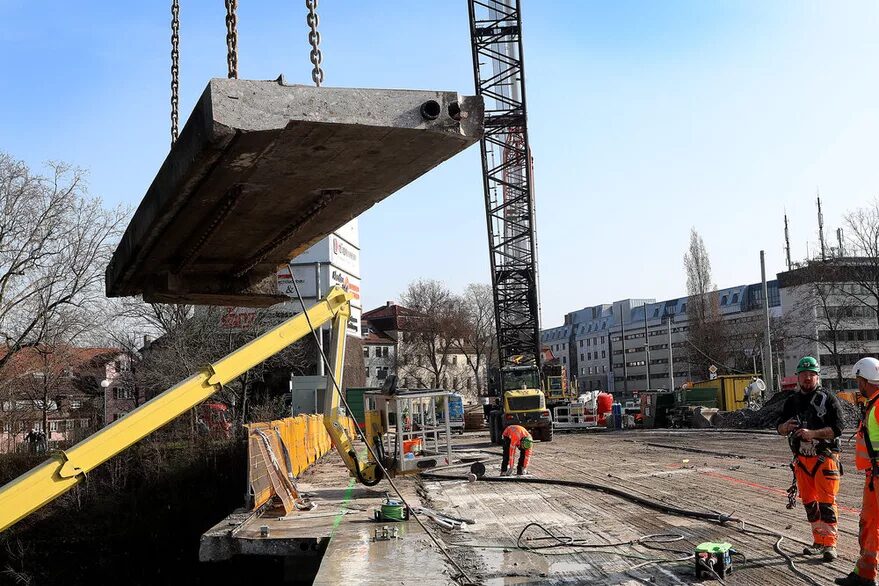
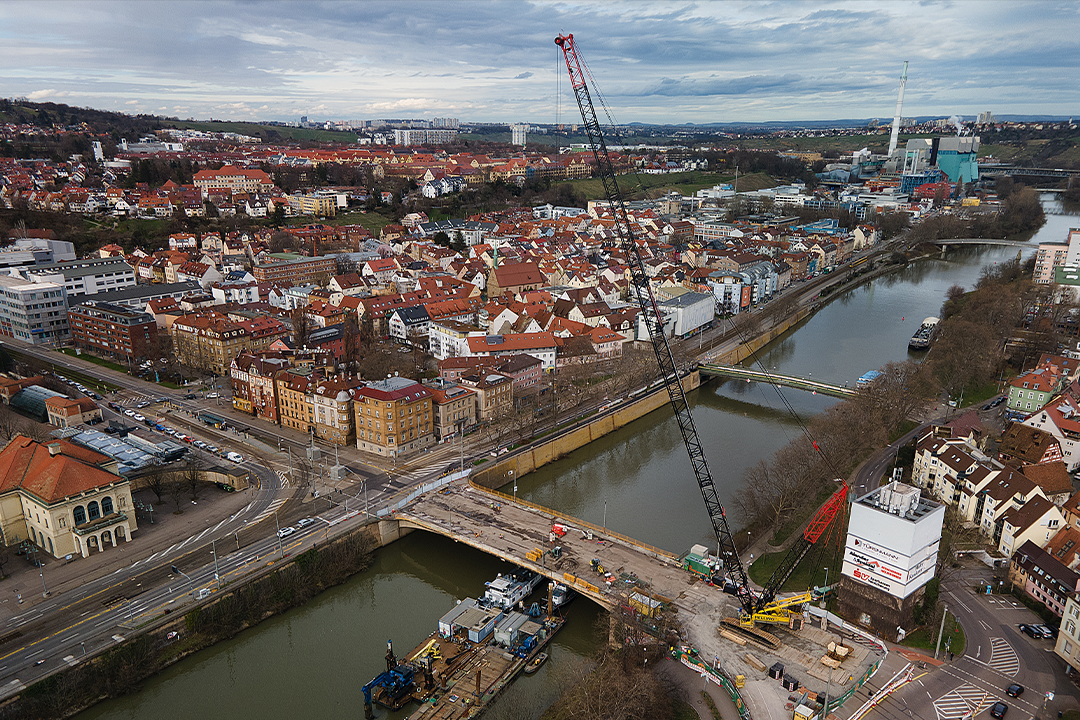
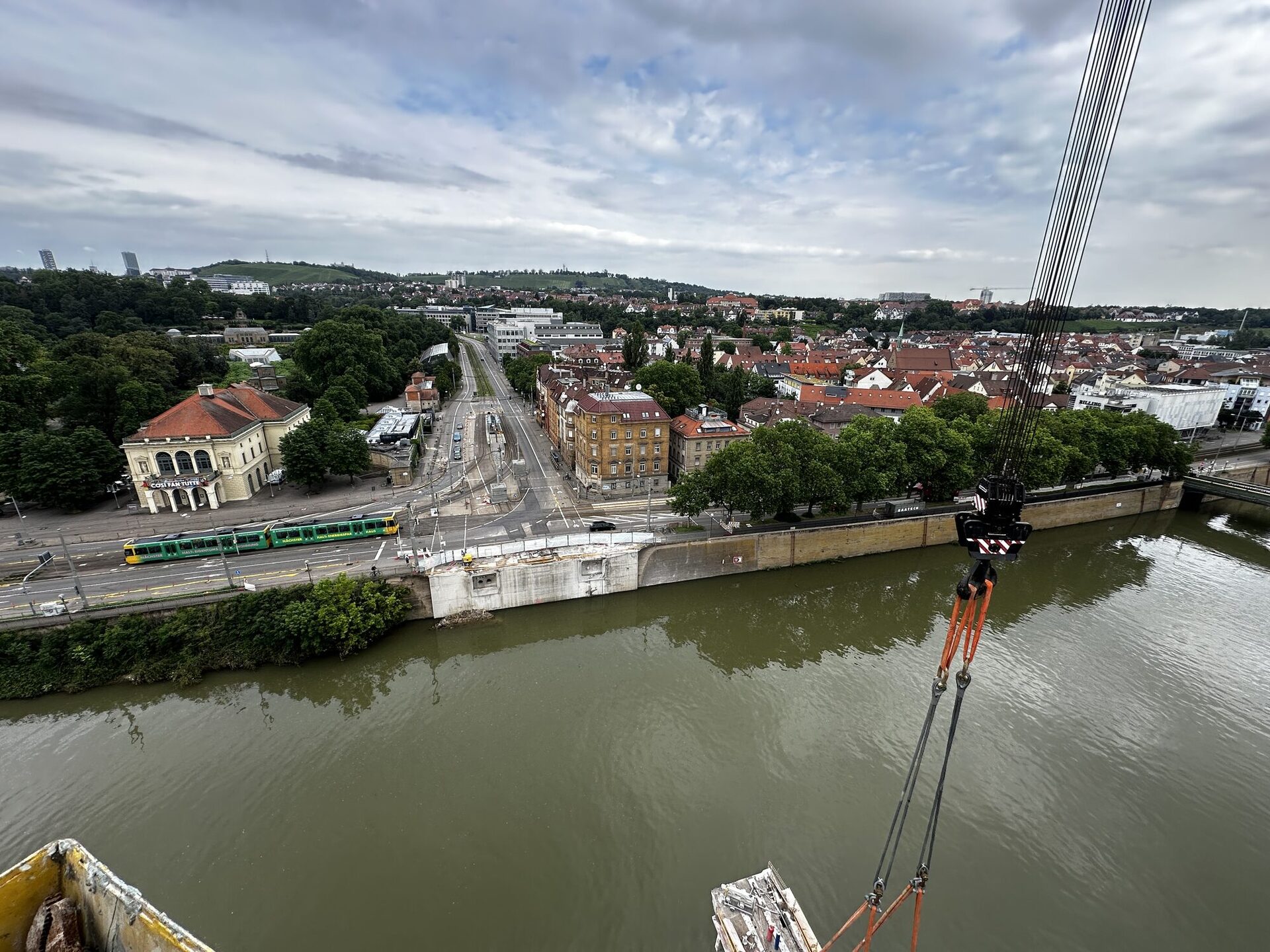
The Rosenstein Bridge was dismantled in several stages, in some cases even from the Neckar. Due to its dimensions and weight, it was not possible to dismantle the bridge into two or three parts and then lift it out with a crane. The first step was therefore to saw off and lift out the bridge deck in the areas of the former light rail tracks and footpaths. In a second step, heavy, floating equipment was used to dismantle the remaining part of the structure from the Neckar.
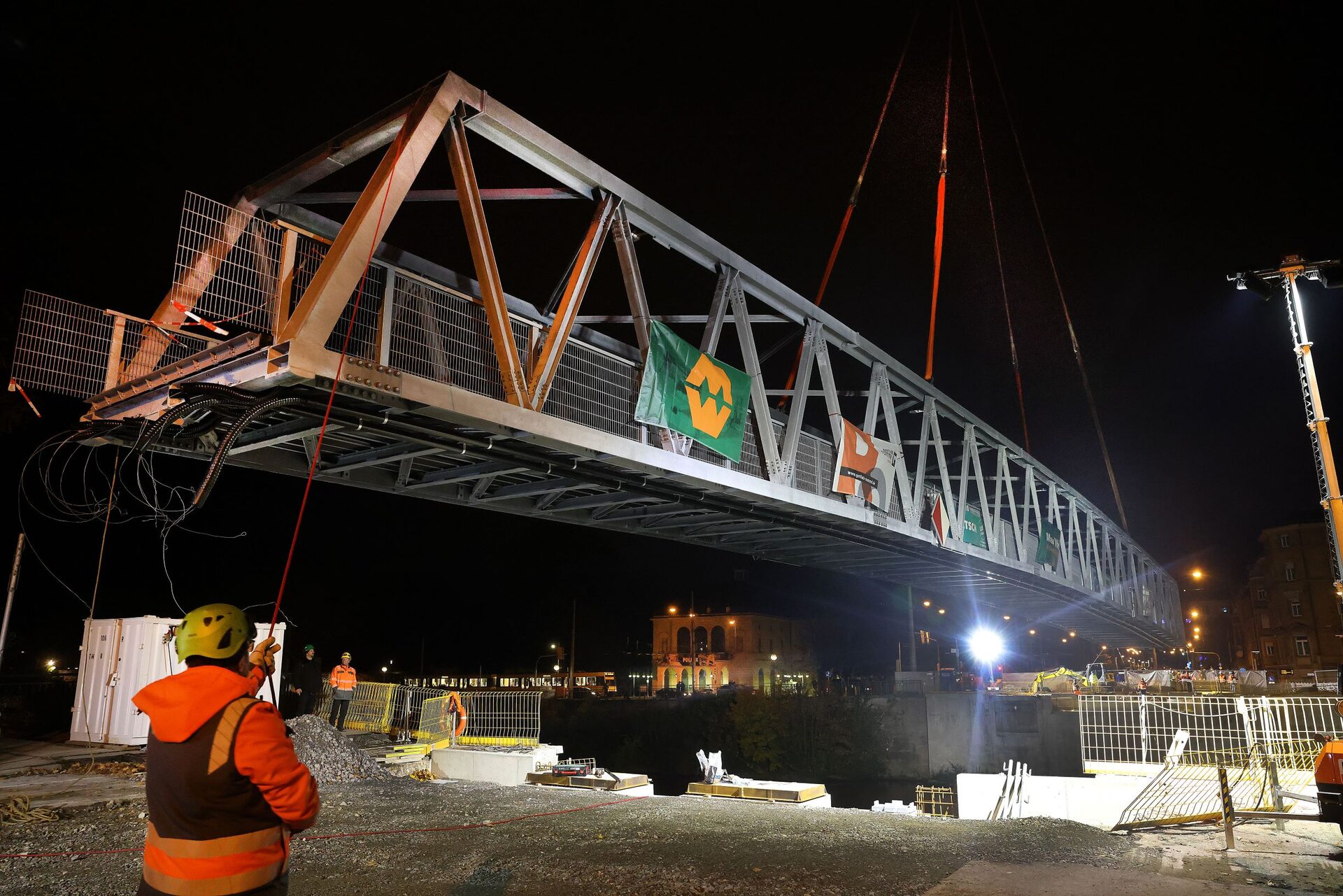
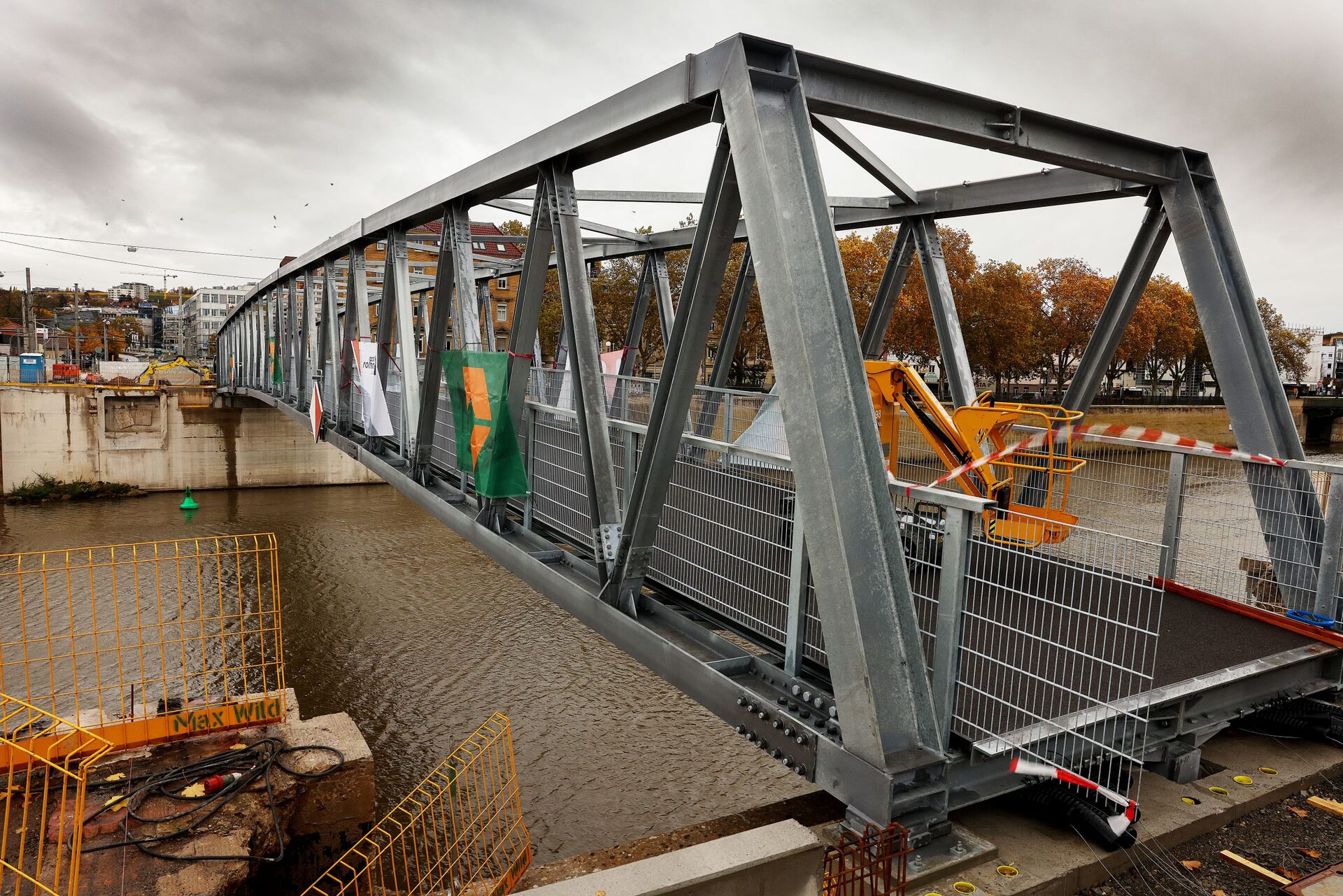
The dismantling of the Rosenstein Bridge was completed in July 2024. A temporary bridge for pedestrian and cycle traffic will be opened at the same location in mid-November 2025. The construction of the new Rosenstein Bridge is then planned until around 2031. The local council will decide on the new Rosenstein Bridge and its functionality. As soon as the traffic structure concept for Bad Cannstatt and Neckarvorstadt is available, the tender for the planning services for the replacement of the Rosenstein Bridge can be issued.
Pedestrian and bicycle traffic
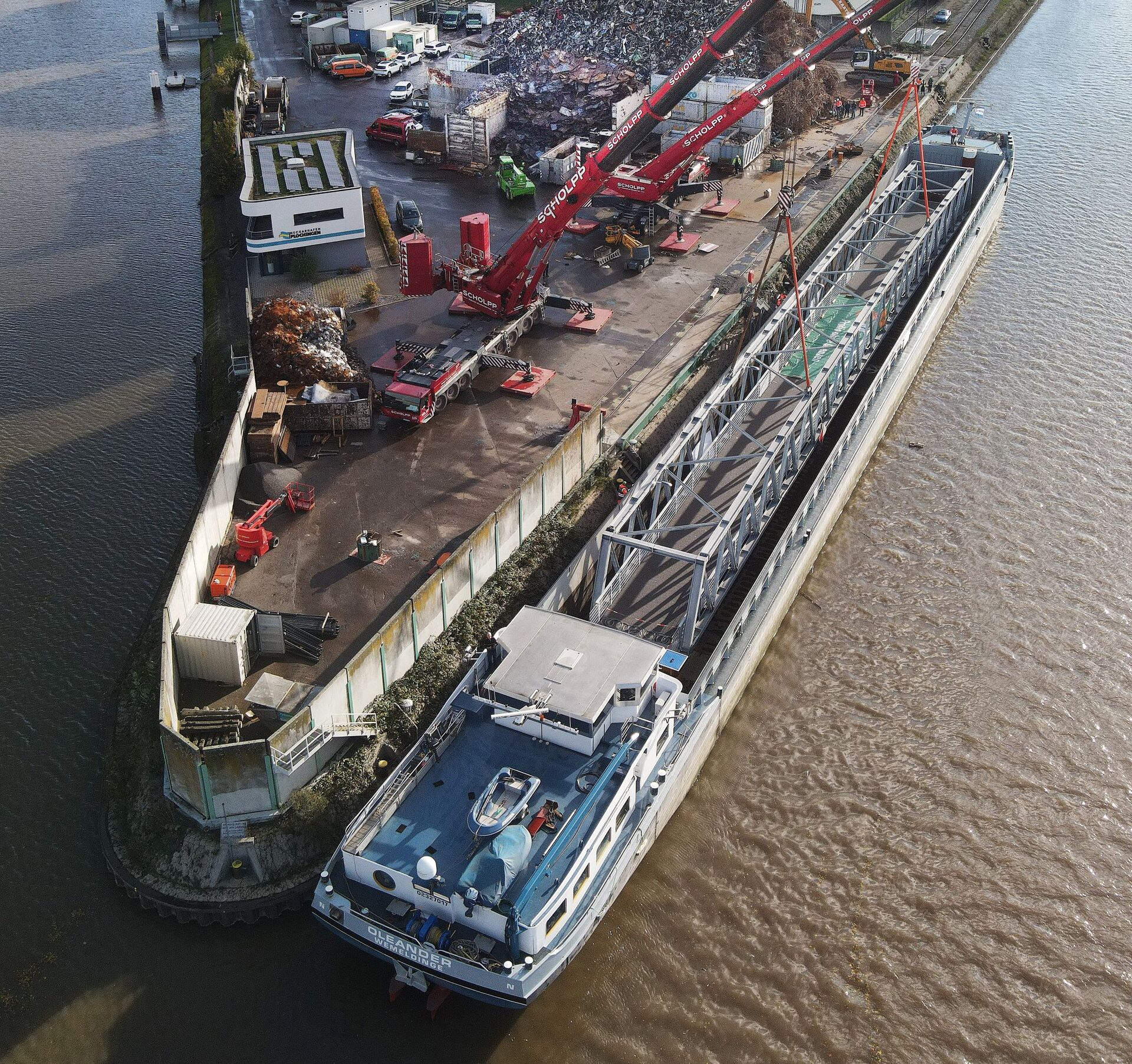
In place of the current Rosenstein Bridge, a temporary bridge for pedestrians and cyclists will connect the old town with Wilhelma, Pragstraße and Neckarvorstadt from mid-November. Until then, the Neckar can be crossed in Bad Cannstatt via the Wilhelmsbrücke.
Execution and timing
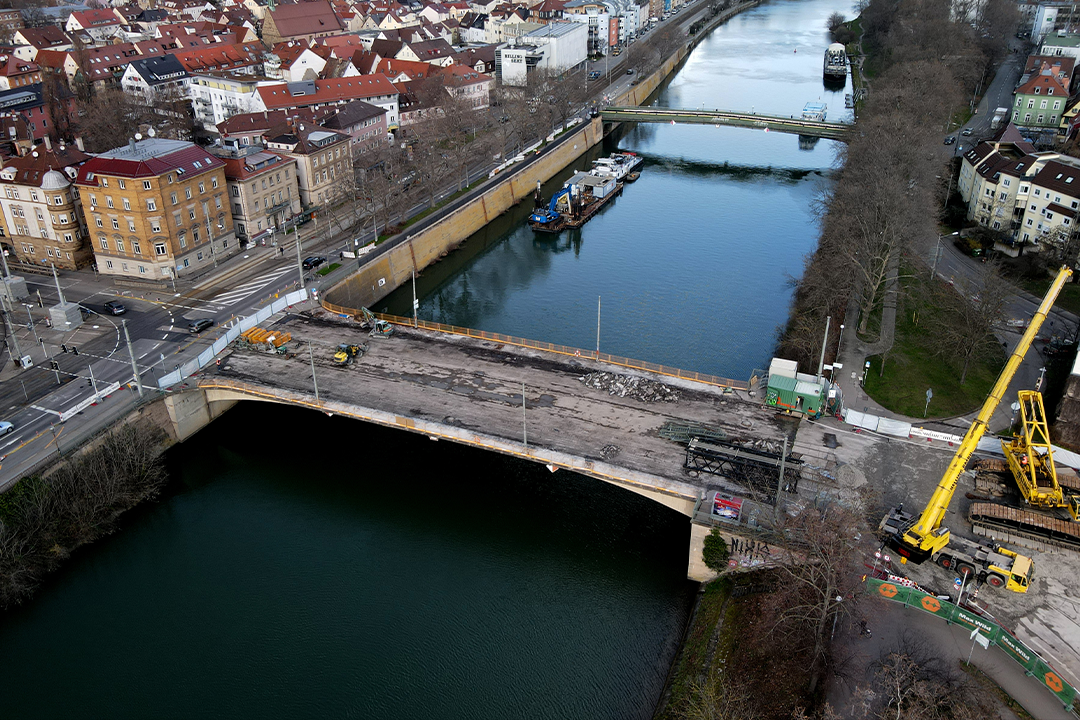
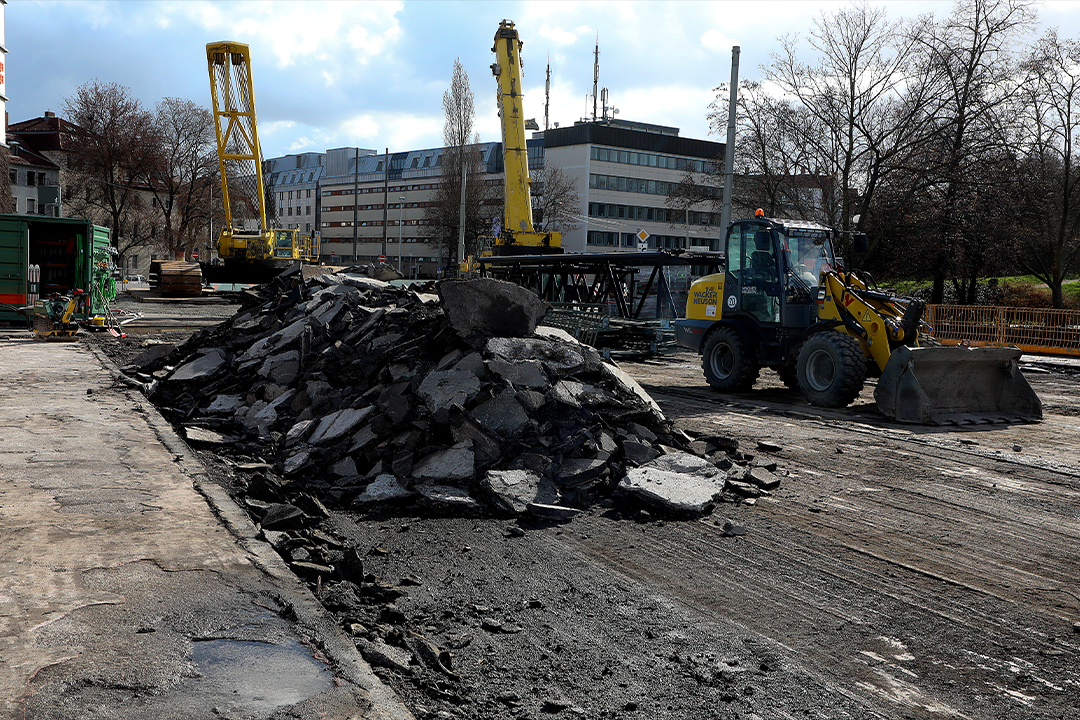
Work to dismantle the Rosenstein Bridge began in mid-January 2024. The asphalt was milled out, the street lighting was dismantled and the remaining concrete between the existing light rail tracks was removed.
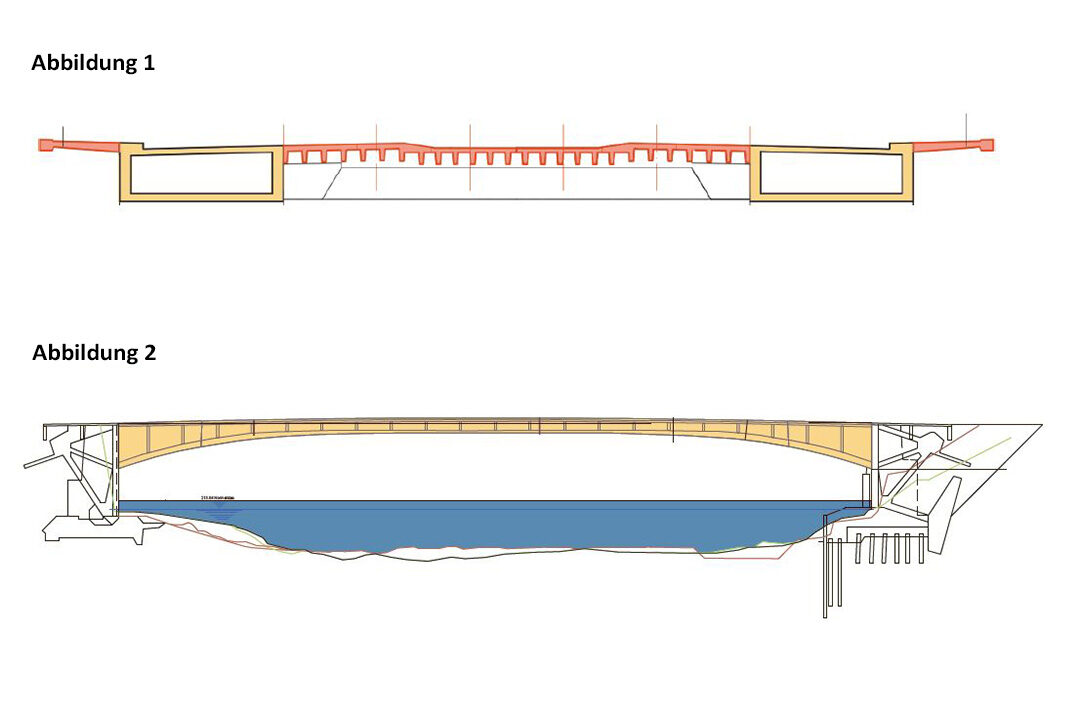
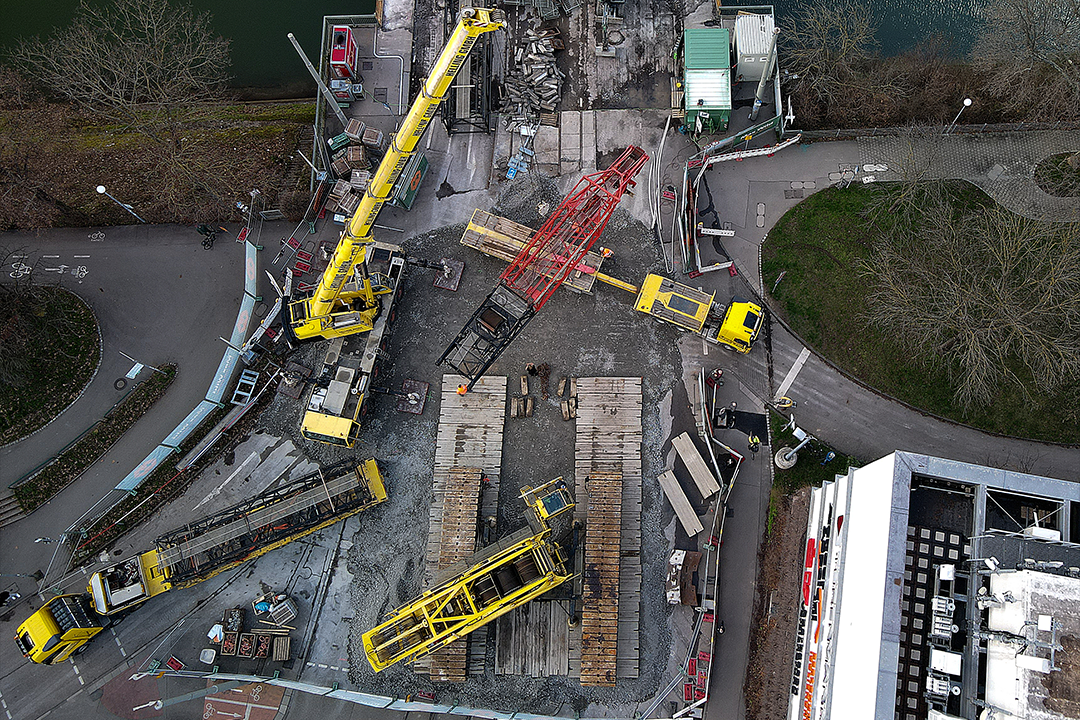
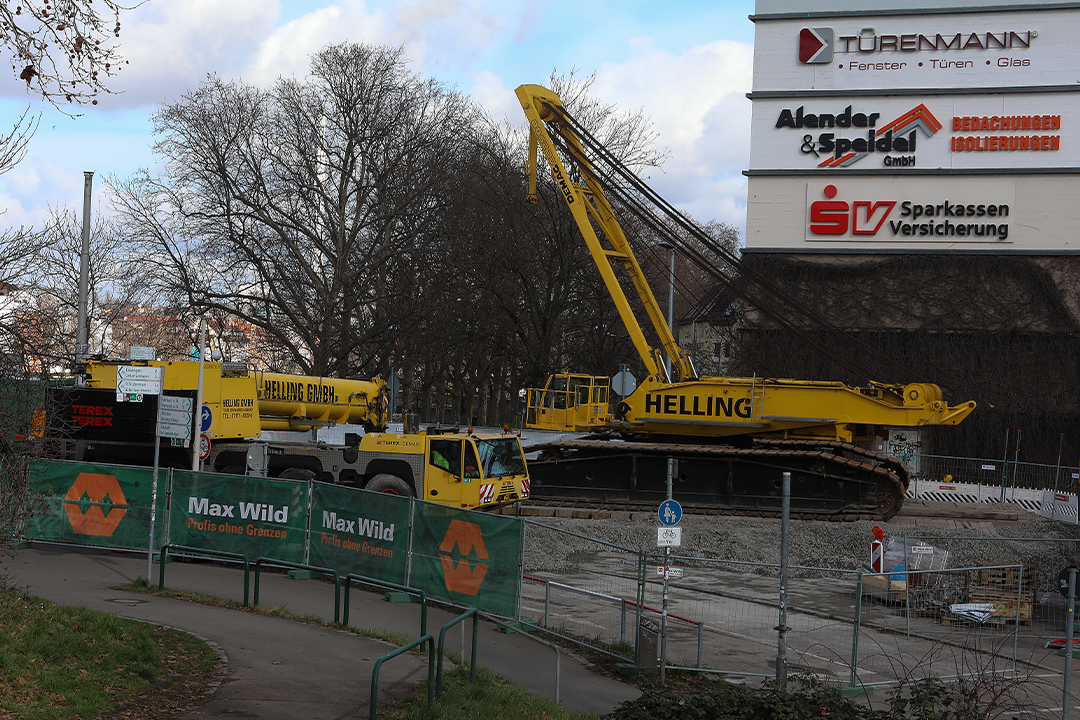
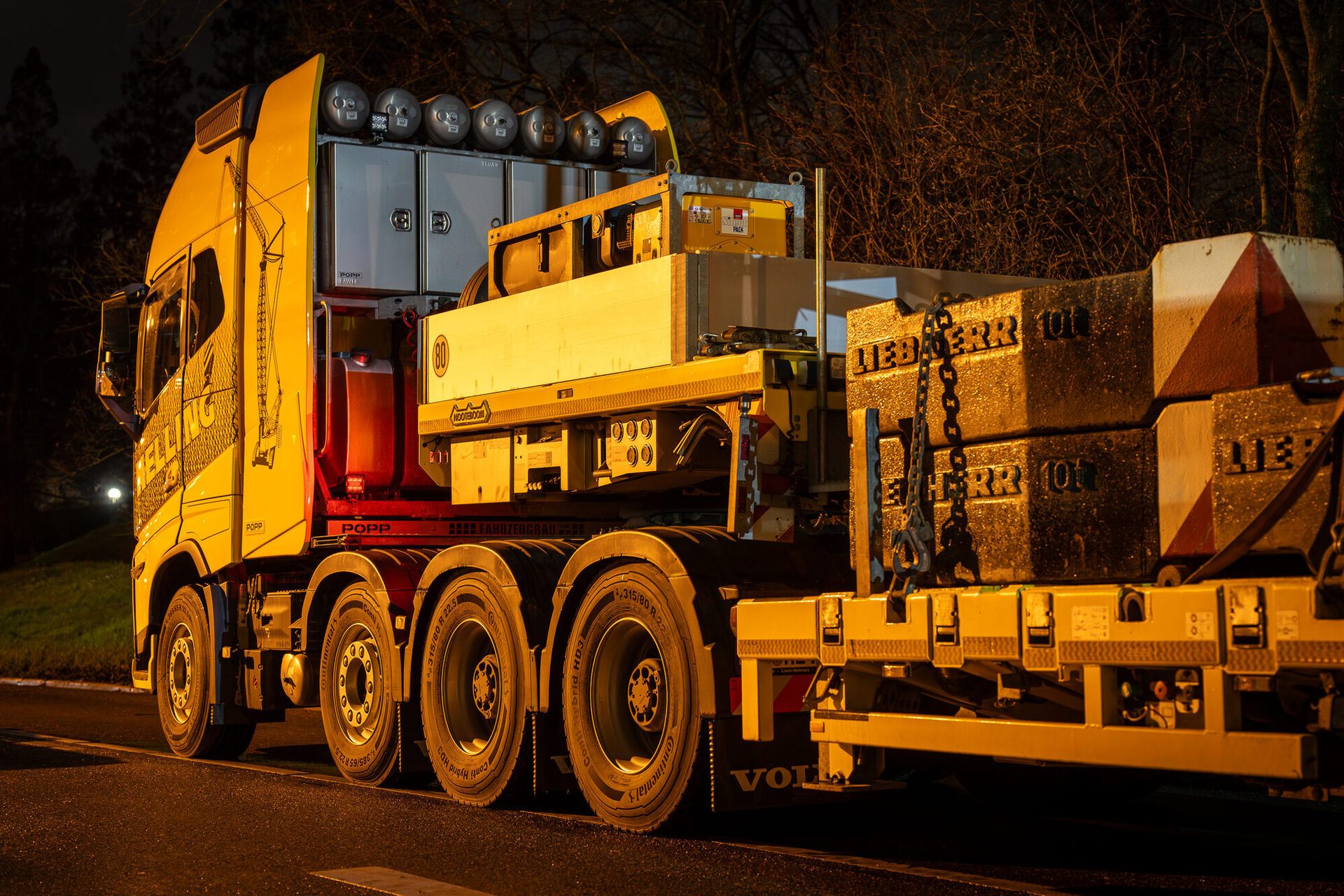
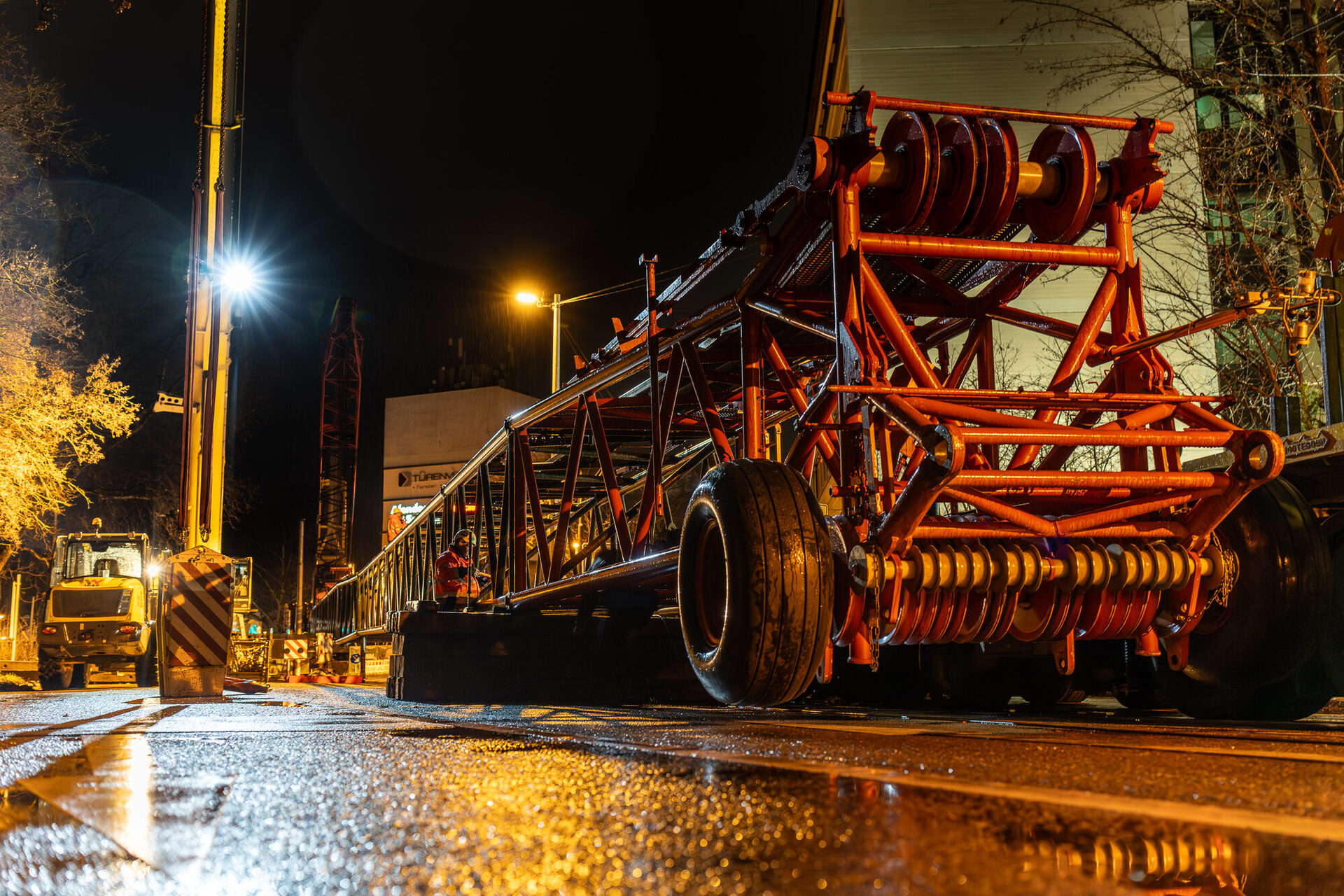
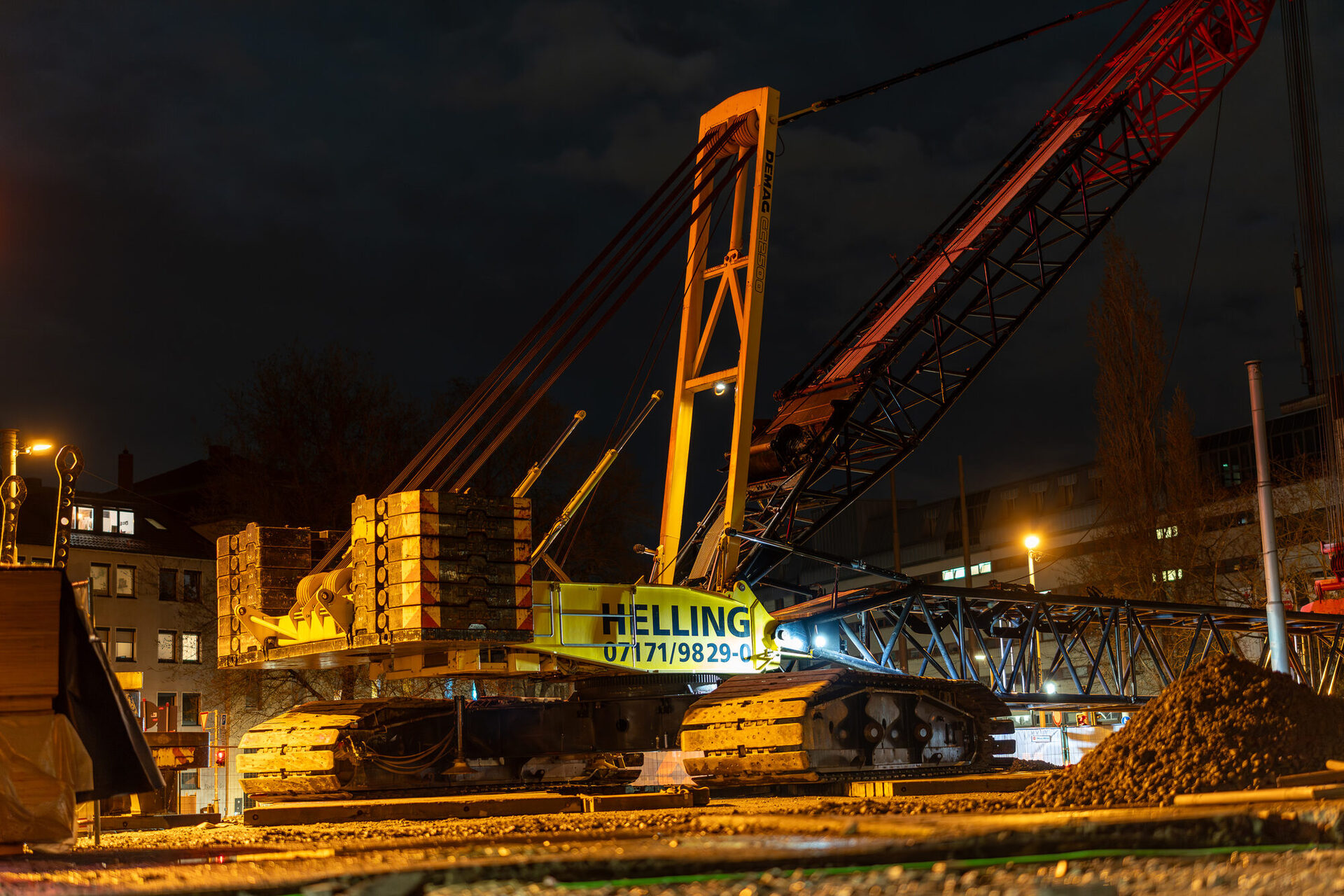
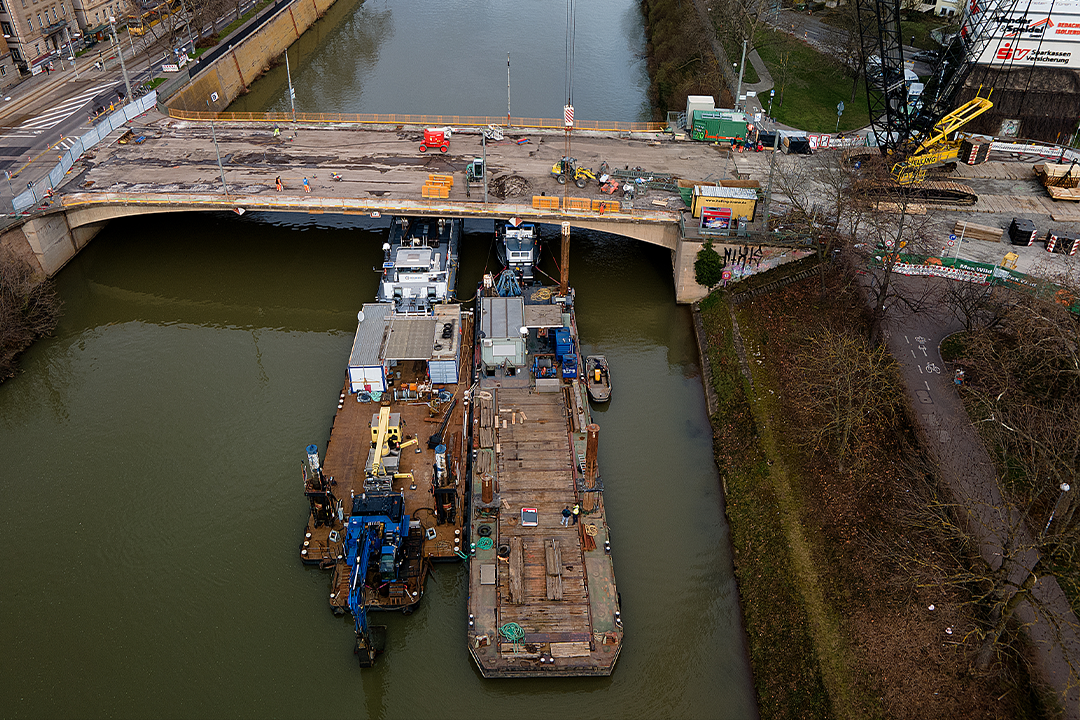
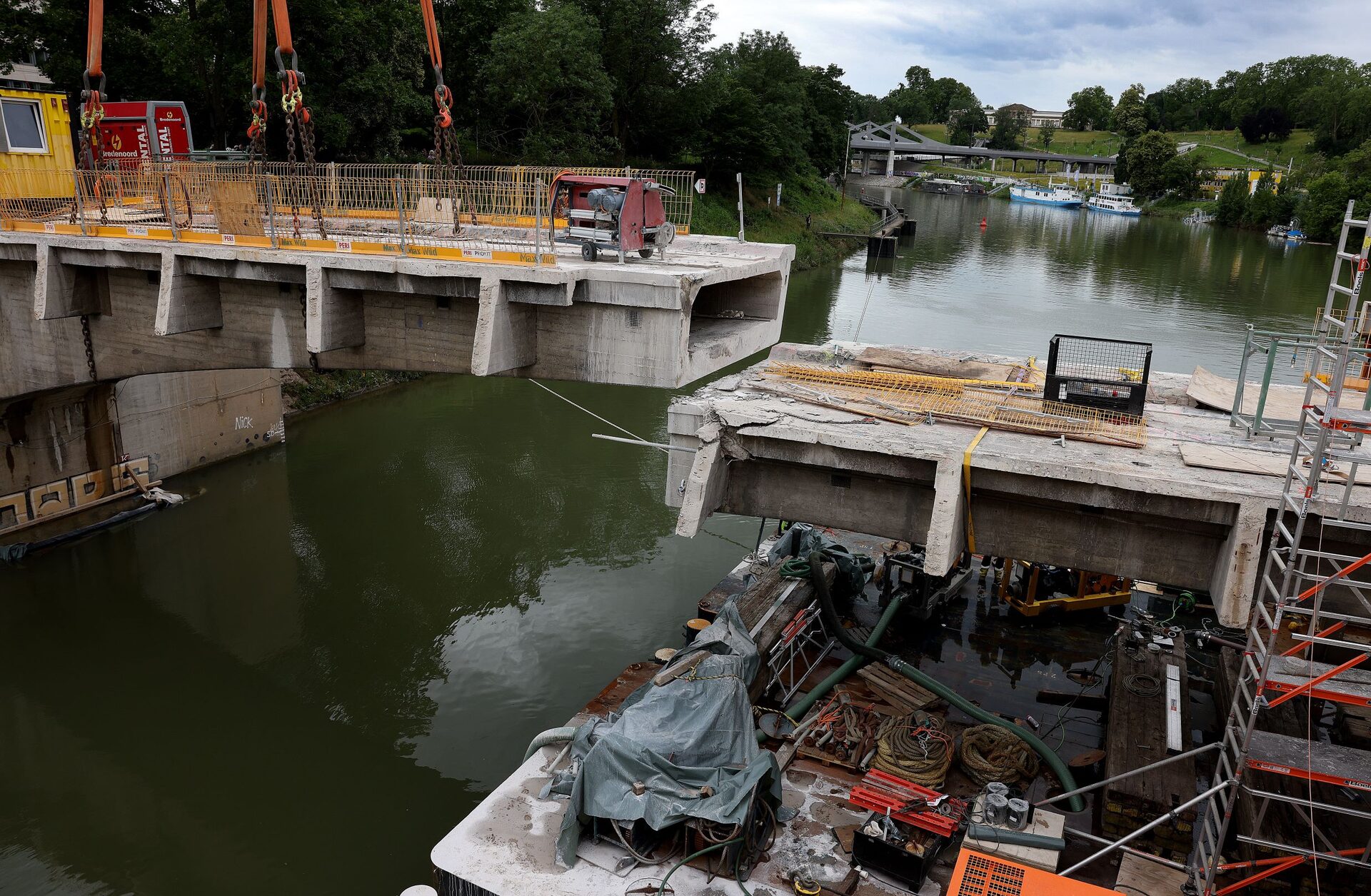
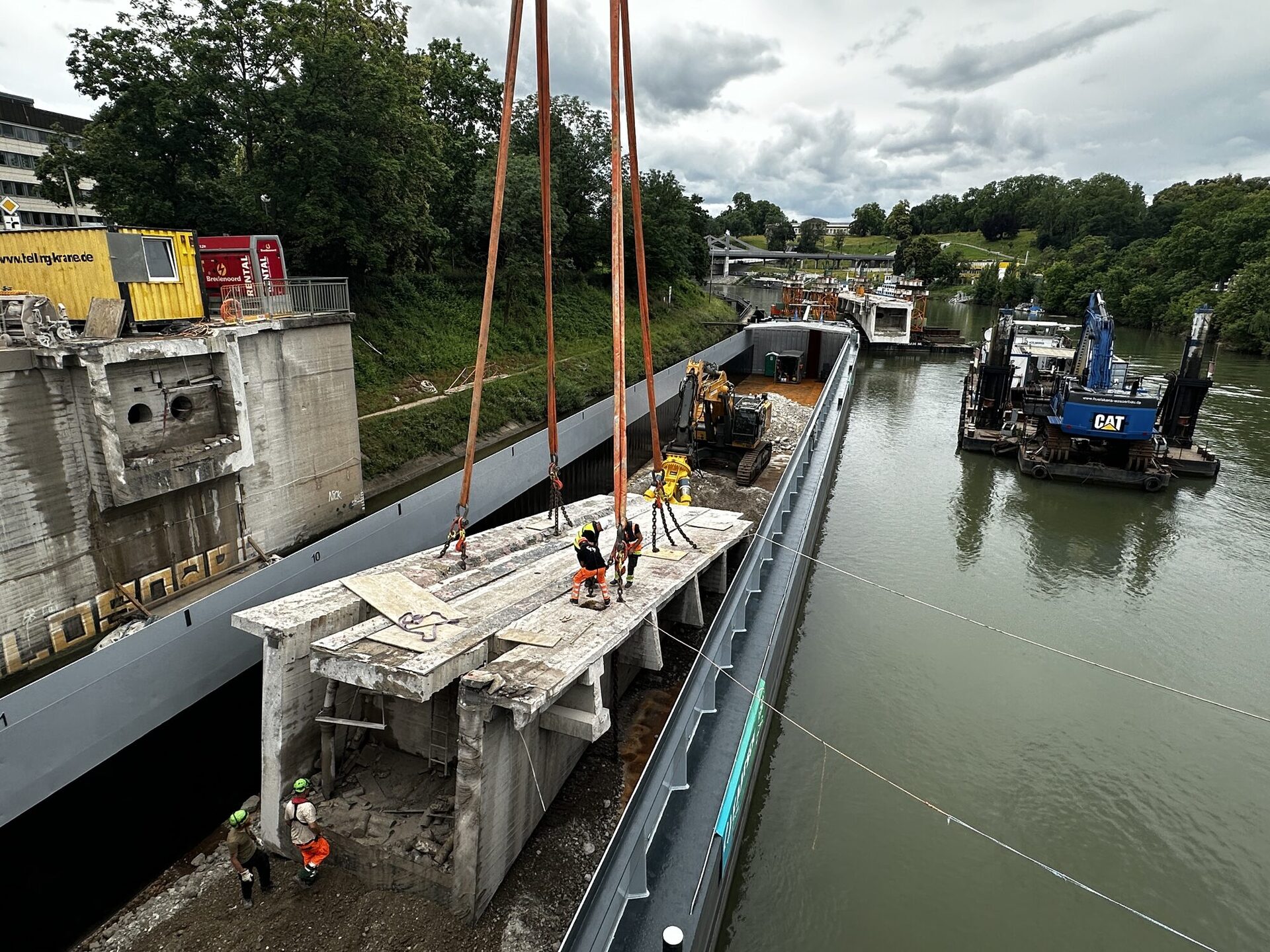
The first phase of the actual bridge dismantling began at the end of February 2024. The cantilevered bridge panels in the areas of the former light rail tracks and the external footpaths were sawn off in segments and lifted out with the crawler crane, which was located next to the elevated bunker (shown in orange in Figure 1). What remained were two arched main girders that spanned the Neckar (colored yellow in cross-section in Figure 1 and in longitudinal section in Figures 2 to 4).
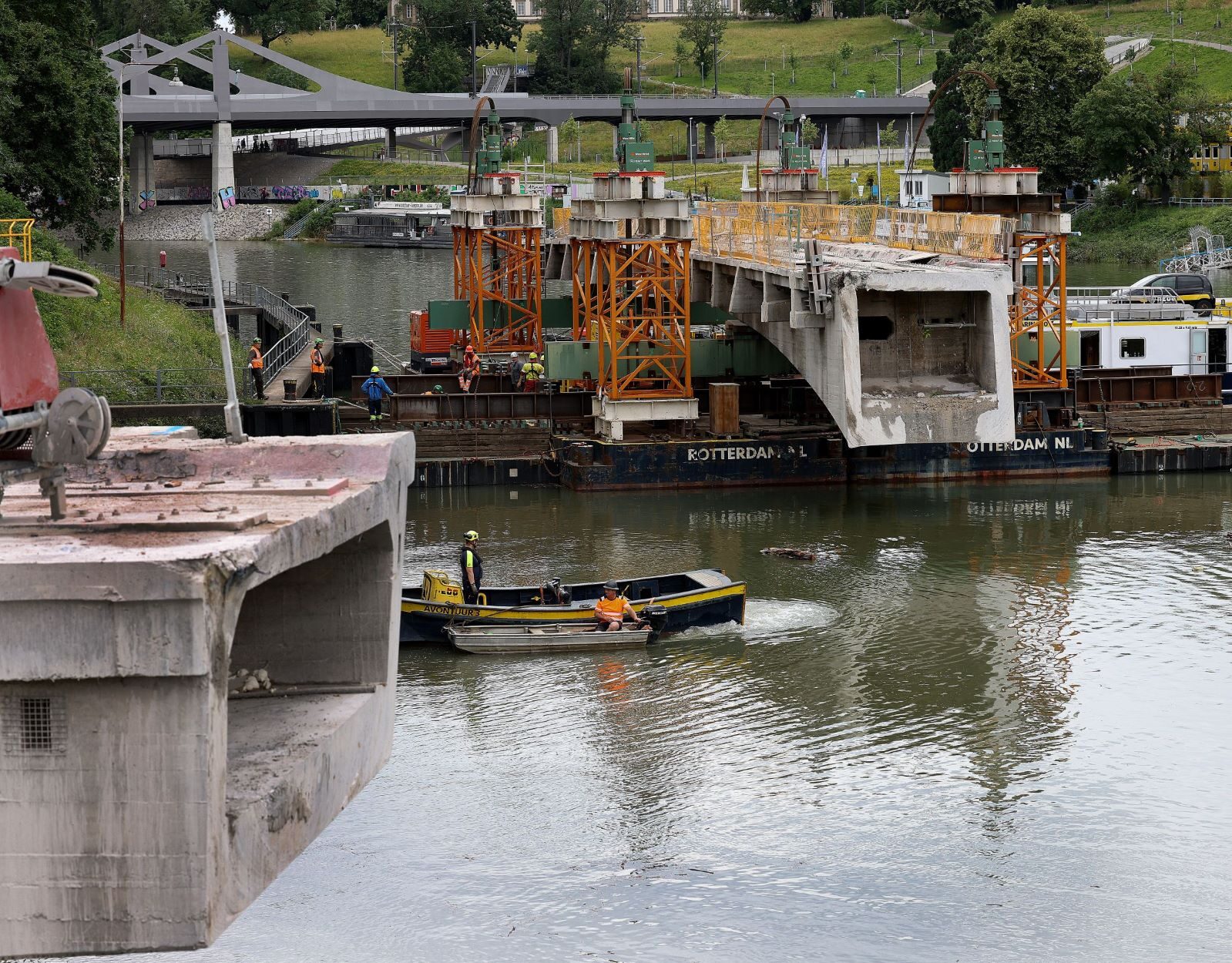
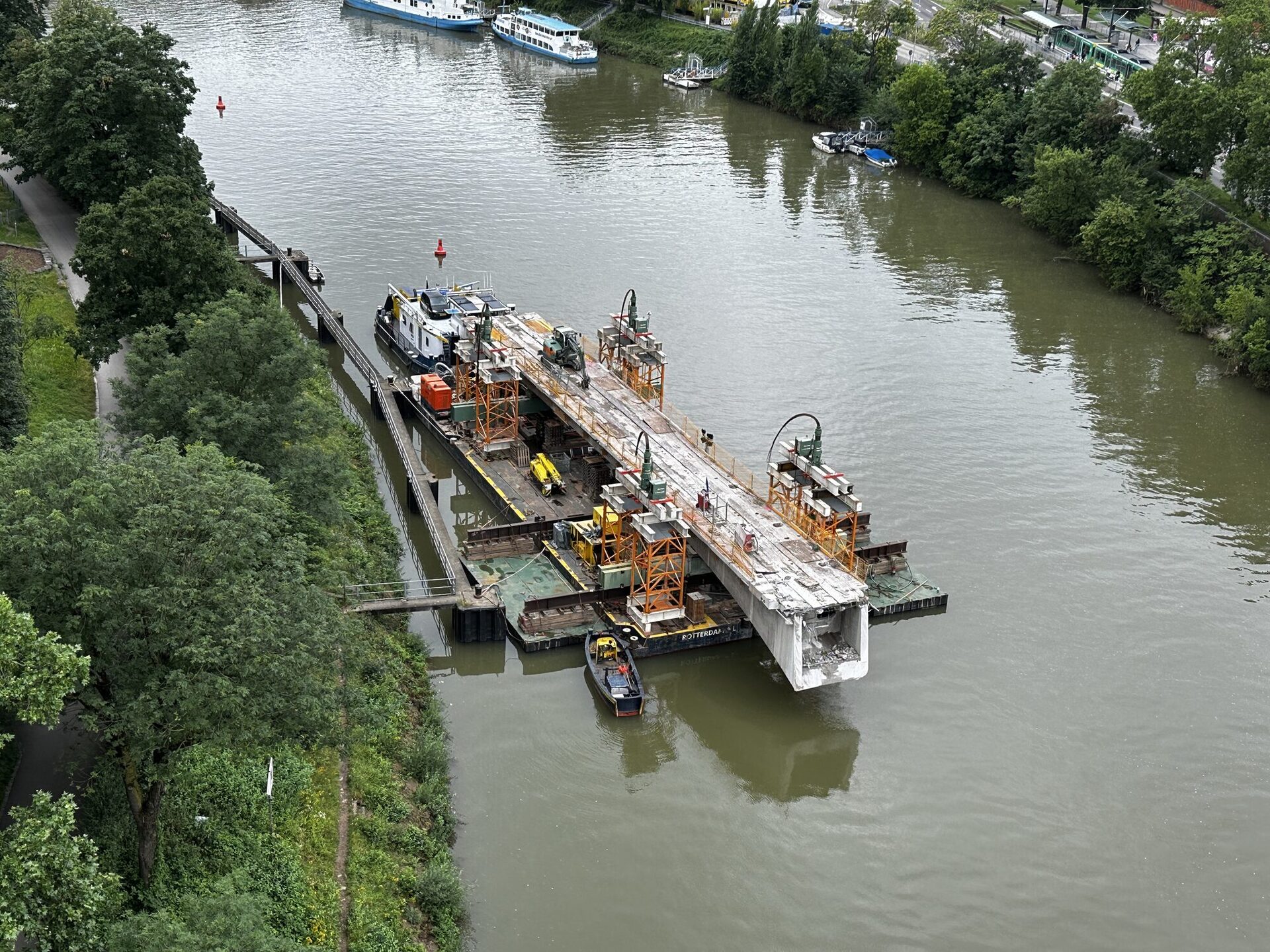
In the second phase, the two bridge girders were dismantled from the Neckar using floating equipment. For this purpose, the Neckar had to be completely closed to shipping traffic at the level of the Rosenstein Bridge.
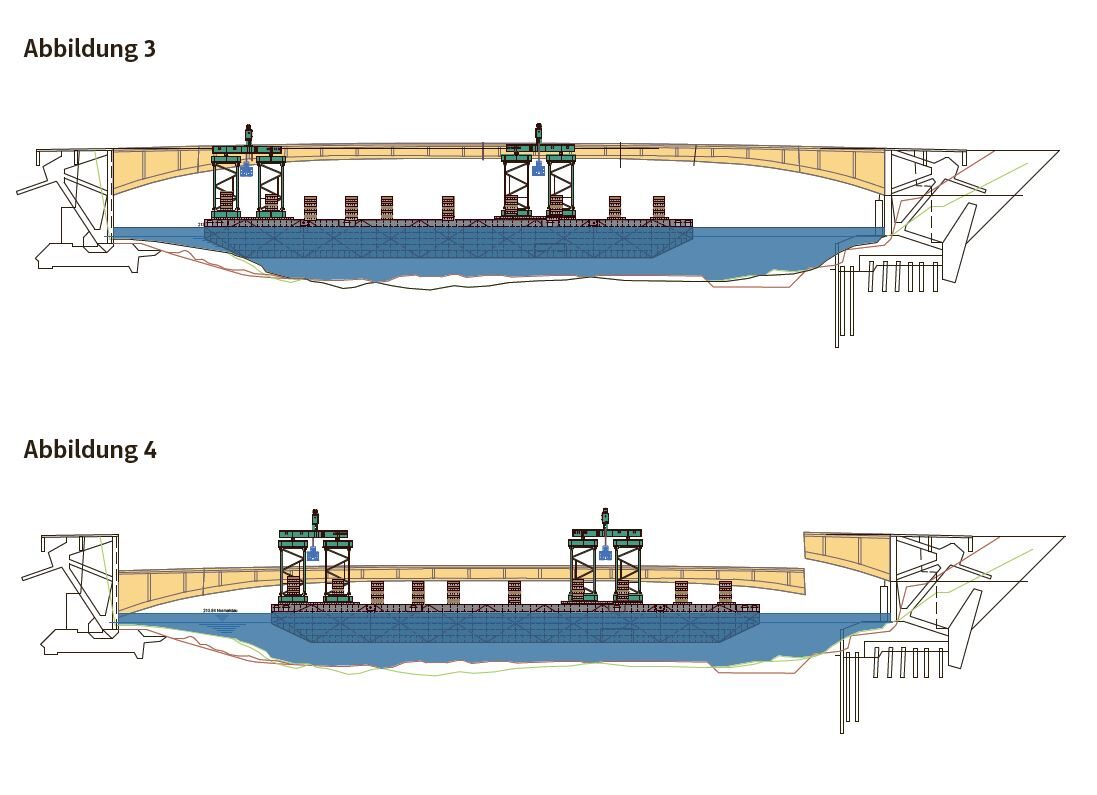
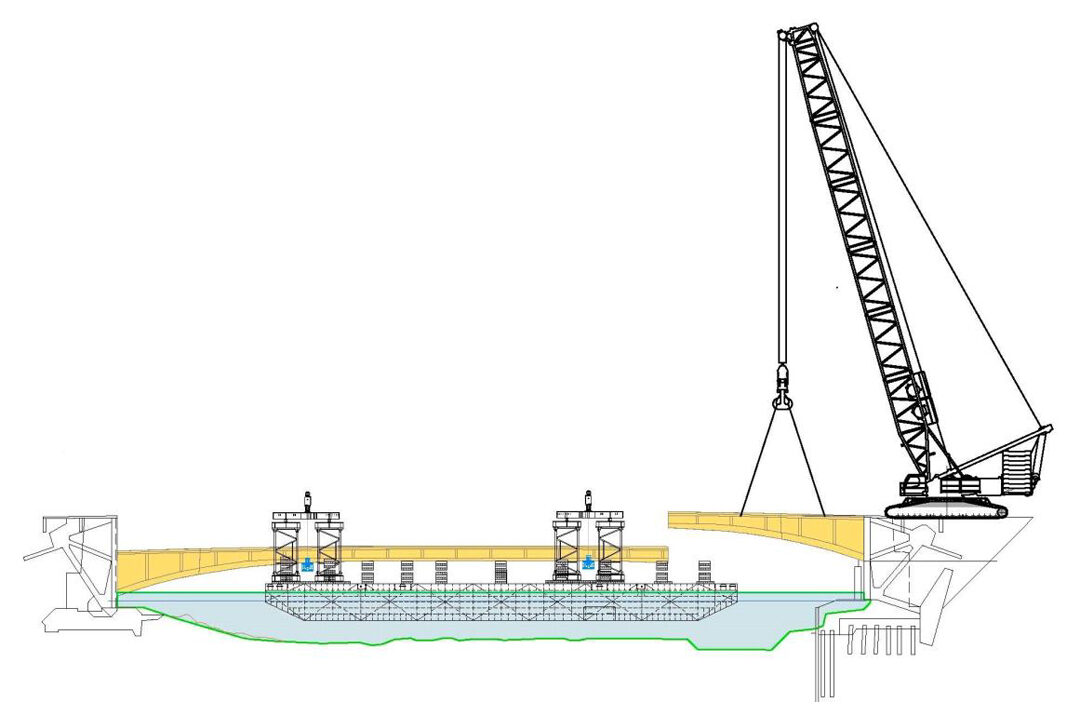
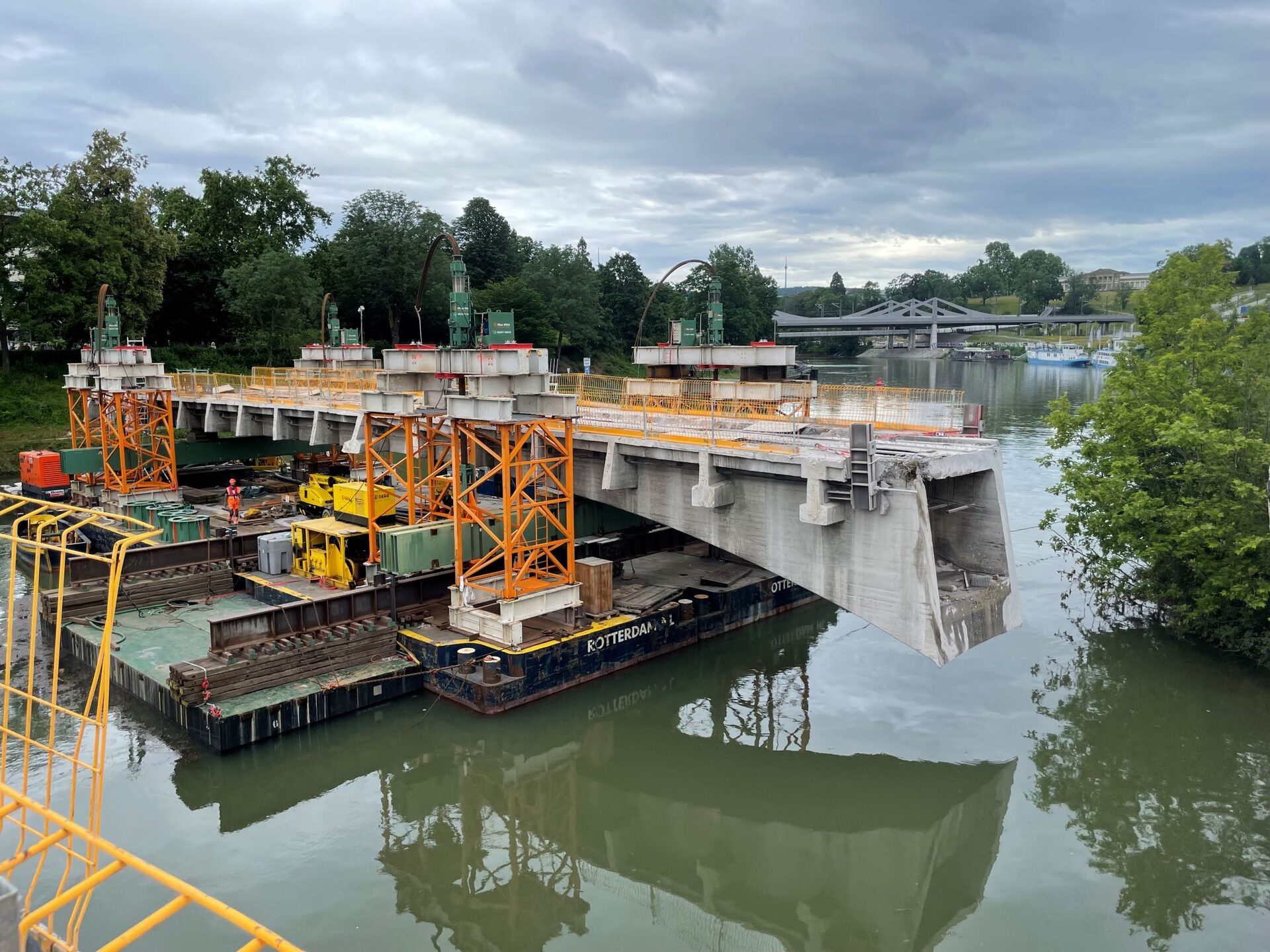
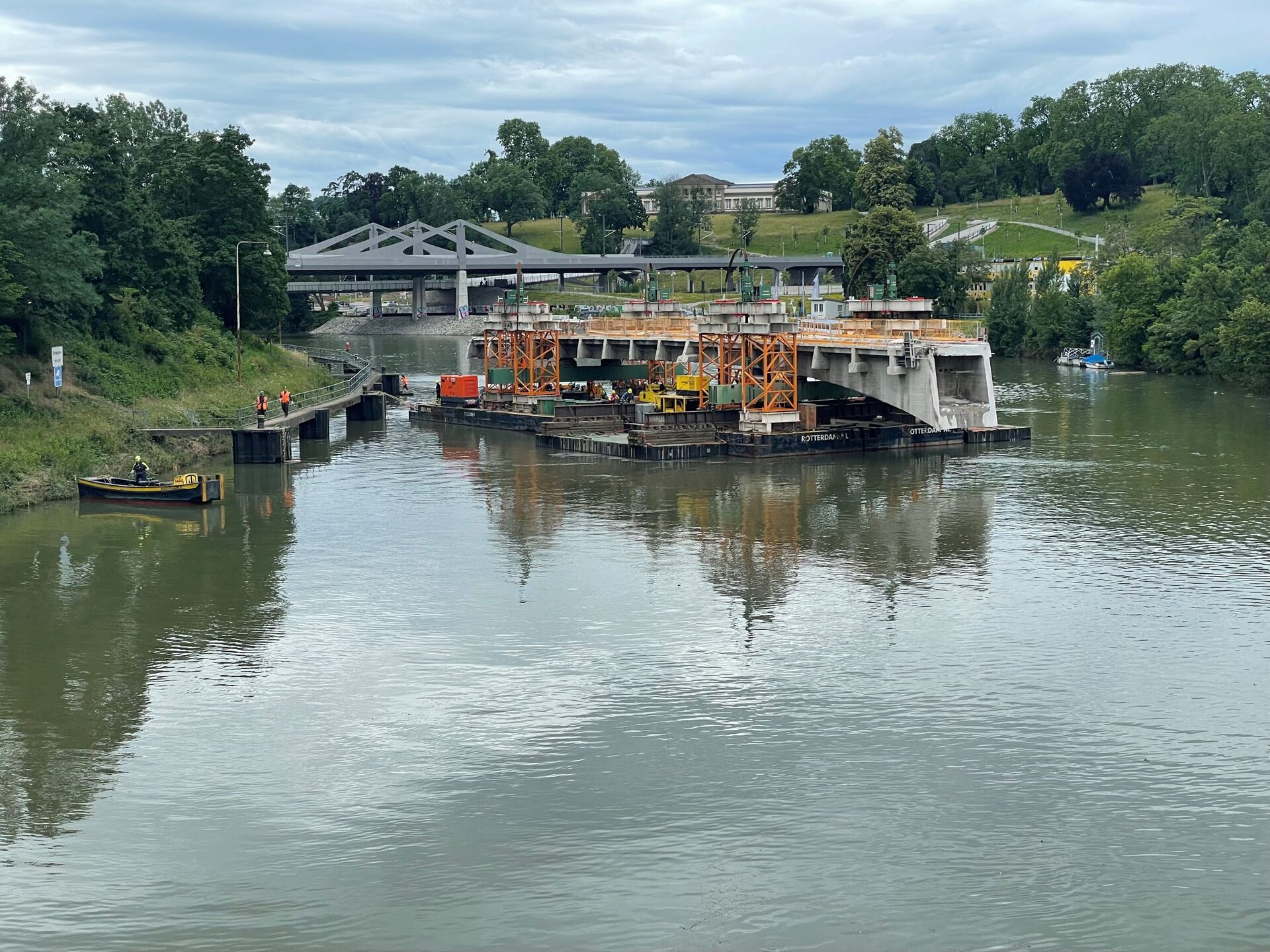
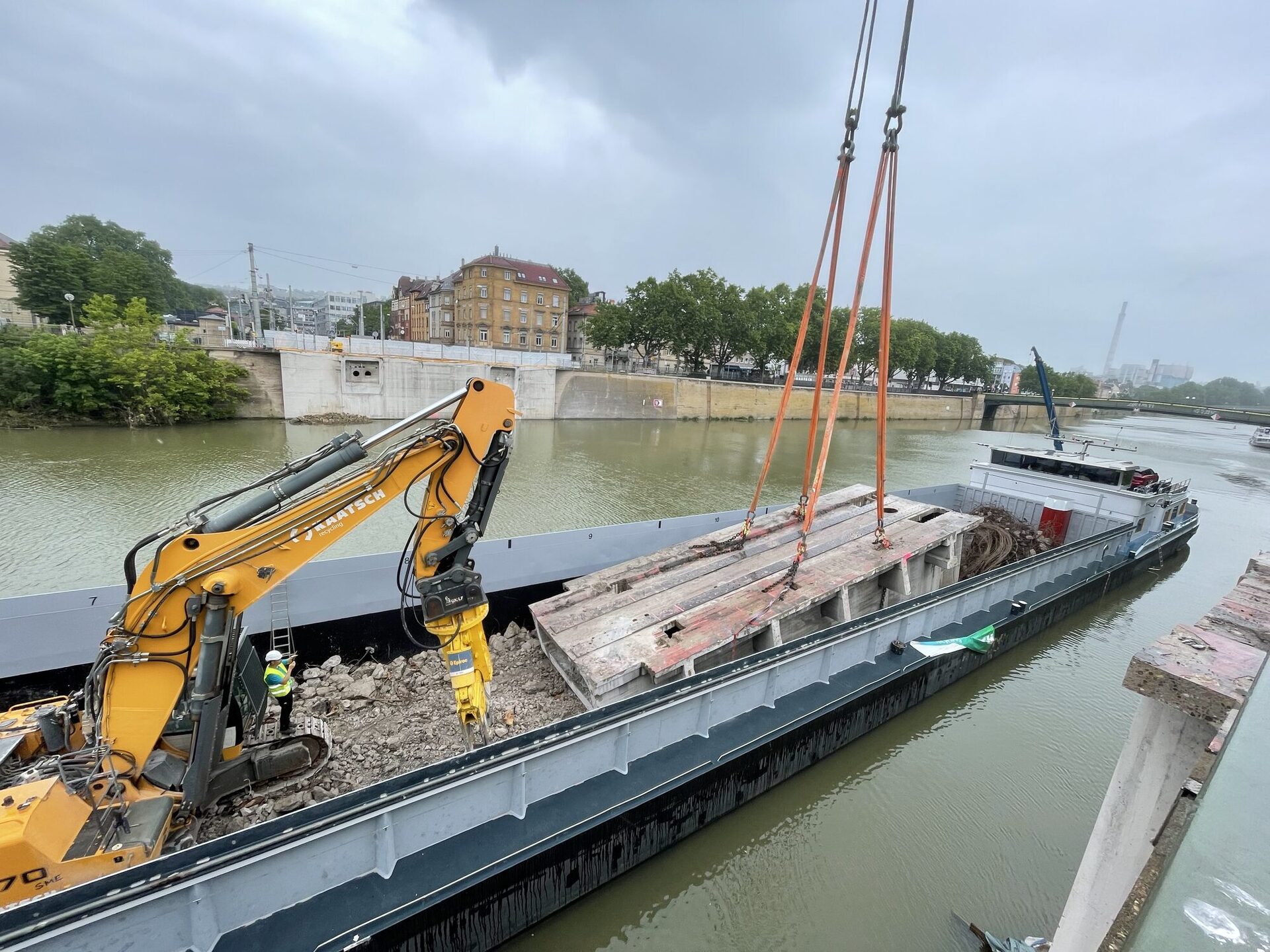
On June 16, a 50-metre-long section of the first bridge girder was sawn off, lowered onto a floating platform and transported away (Figure 3). On June 17, the remaining 20-meter-long piece of the bridge girder was removed with a wire saw and loaded onto a waiting ship with the crawler crane (Figure 4).
Until the first bridge girder was removed on June 16, shipping on the Neckar was closed due to the Neckar flood. The closure was repeated two weeks later, on Saturday, June 29, until Tuesday, early in the morning, July 2.
The dismantling of the Rosenstein Bridge was successfully completed on the last weekend of June. In the afternoon, a crawler crane lifted out the last 90-tonne section of the remaining bridge girder and loaded it onto a barge. The larger, 50-metre-long section of the bridge girder had already been cut off on Sunday evening using a wire saw and lowered onto a floating platform early Monday morning and transported away.
Data and facts
Location: Neckar crossing Bad Cannstatt
Client: City of Stuttgart, Technical Department, Civil Engineering Office
Project management: City of Stuttgart, Technical Department, Civil Engineering Office
Executing company: Max Wild GmbH
Start of deconstruction: mid-January 2024
End of deconstruction: July 2024
Deconstruction costs: around 9 million euros