Jump to content

State capital Stuttgart

Precaution

Vaccinations

Vaccination protects - the little prick is particularly effective against infectious diseases. In order to inform many people in Stuttgart, the city-wide vaccination campaign against respiratory diseases is running in the fall of 2025. The public health department also offers general vaccination advice as a precautionary measure.

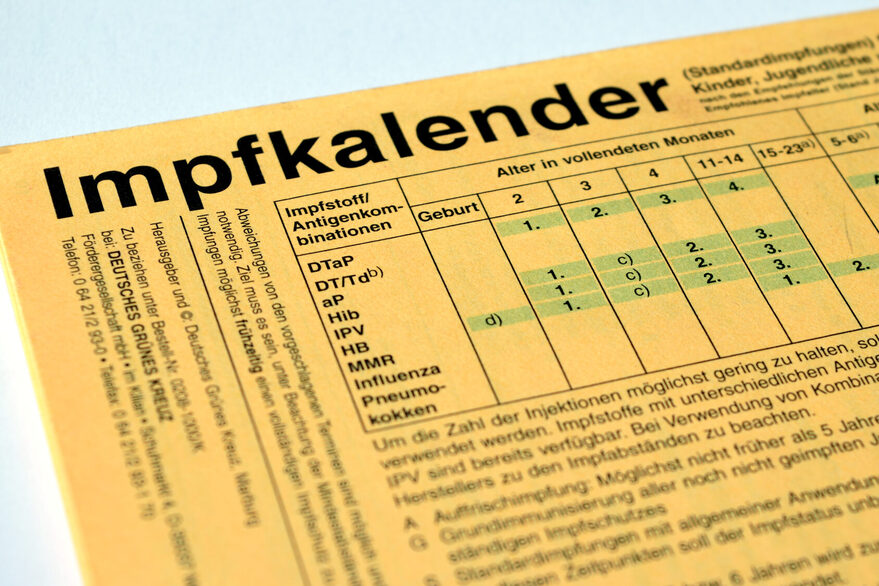
When and how often? The vaccination calendar contains the recommended standard vaccinations for infants, children, adolescents and adults.

Why vaccinations are so important

We come into contact with pathogens such as viruses, bacteria and fungi every day, but not every contact leads to illness - the body's own defenses are often sufficient. However, some pathogens can trigger serious illnesses that lead to permanent damage or, in the worst case, death. This is why vaccinations such as those against mumps, rubella, polio, measles and  respiratory infections are the most effective health precautions.

For example, the number of cases of polio worldwide has fallen by more than 99 percent since 1988 thanks to the use of the polio vaccine.  According to the Robert Koch Institute (opens in a new tab), dangerous secondary diseases have also become rarer since the introduction of the vaccine. In addition, the vaccines licensed in Germany are well tolerated and undesirable side effects are rare.

Vaccination recommendations for adults and children

Getting vaccinated protects yourself and others. In Germany, the independent Standing Committee on Vaccination (STIKO) recommends useful vaccinations and booster vaccinations to protect against infectious diseases for every age group:

The Stuttgart public health department can give you general advice on all recommended vaccinations over the phone. For individual vaccination questions, please contact your family doctor. The public health department does not provide advice on travel vaccinations. Relevant information is provided by the  Center for Travel Medicine (opens in a new tab), the  German Society for Tropical Medicine (opens in a new tab) and the  travel advice of the Federal Foreign Office (opens in a new tab).
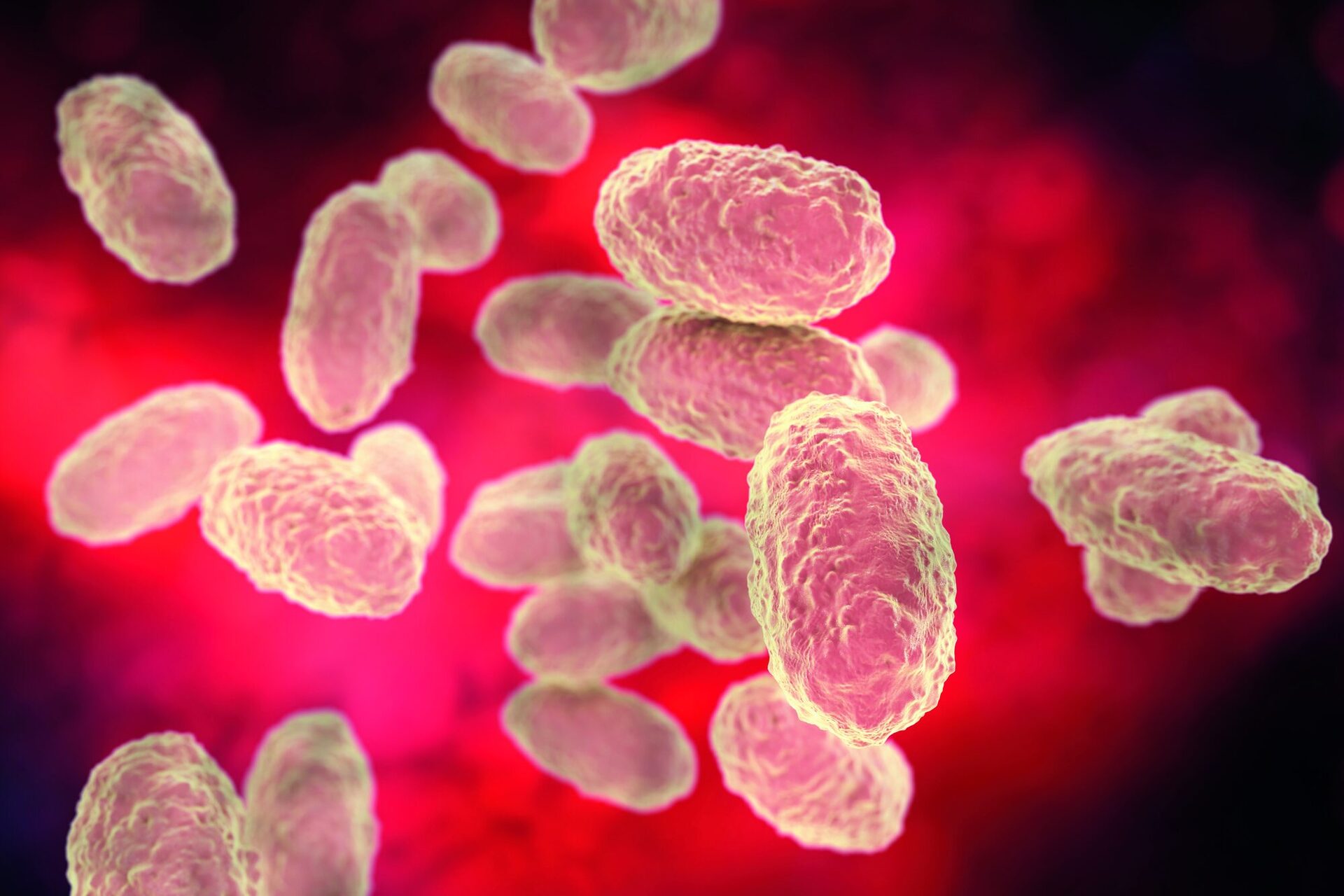
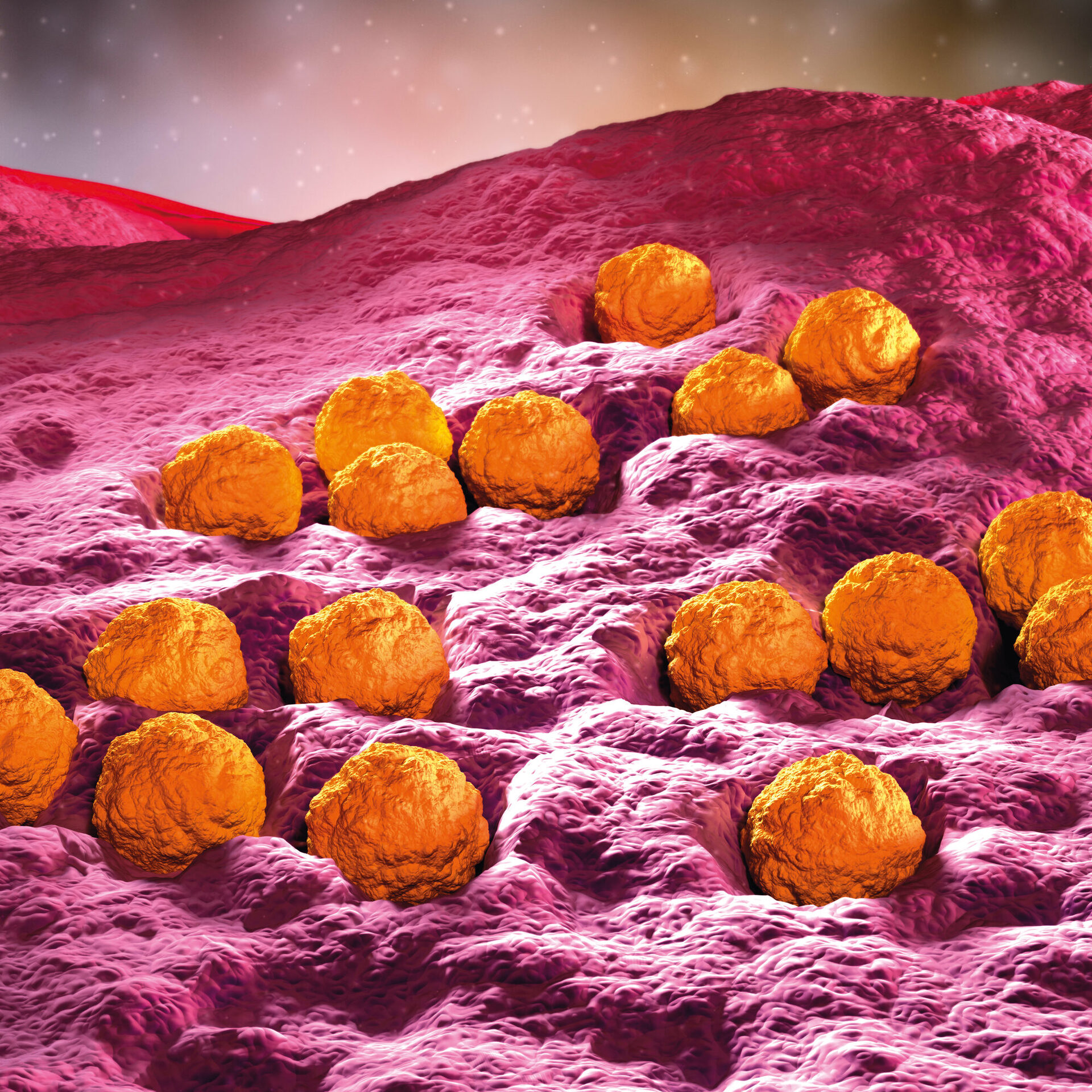
A closer look at infectious diseases: Whooping cough is a highly contagious respiratory disease caused by bacteria.
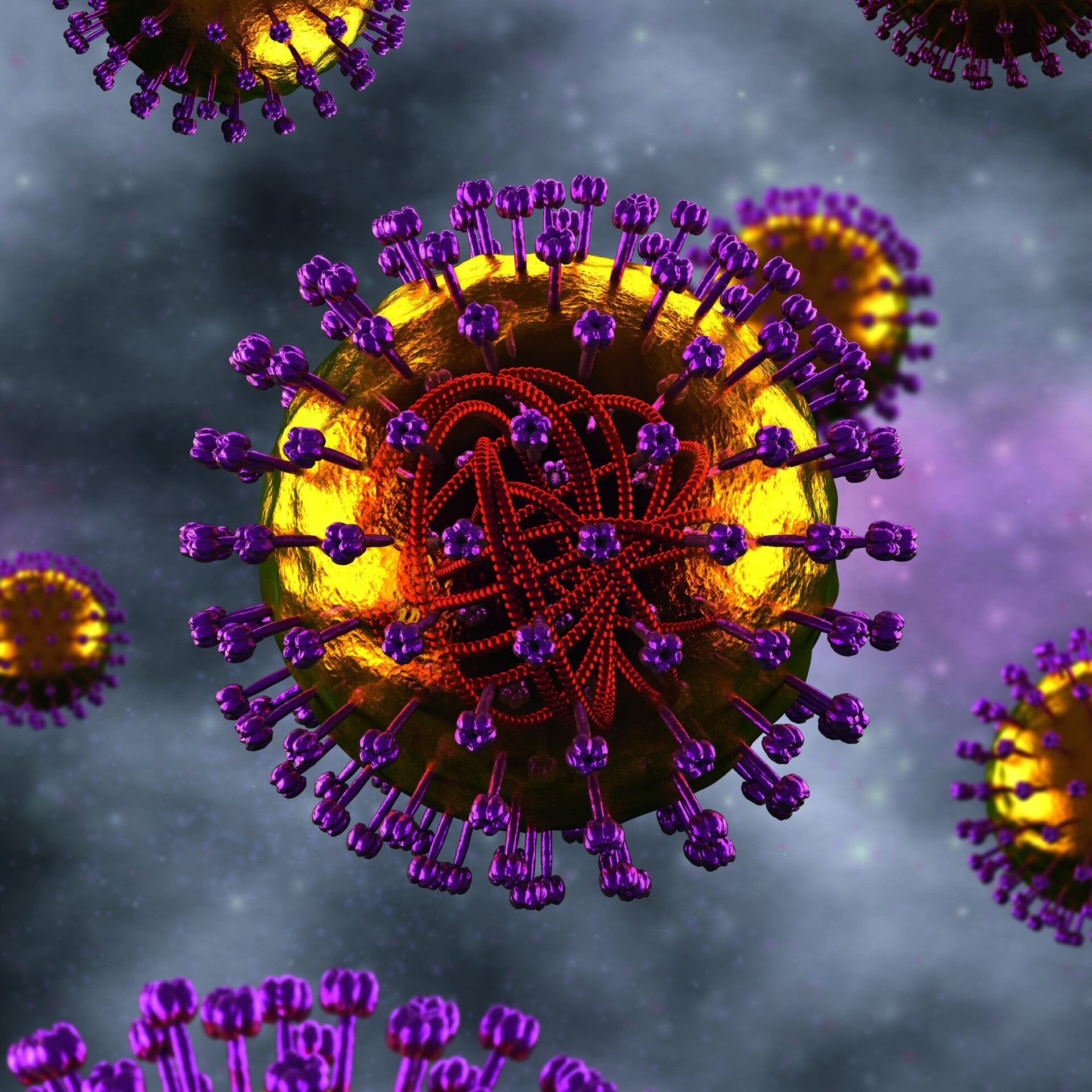
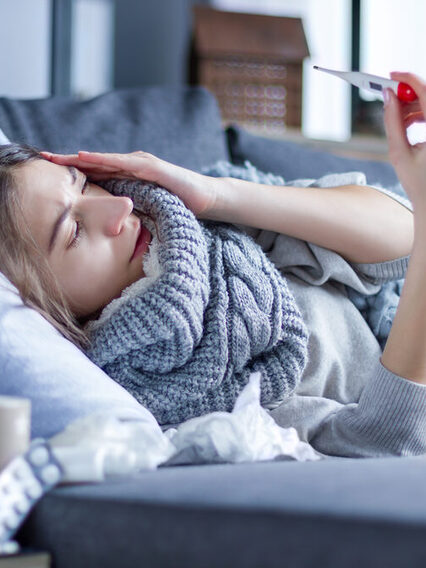
The real virus flu is also called influenza. Many of its symptoms are similar to the common cold or COVID-19.
Chickenpox is highly contagious and is caused by the varicella zoster virus. An itchy skin rash is typical.
Meningococcal bacteria can cause meningitis and blood poisoning. The disease is transmitted by droplets.
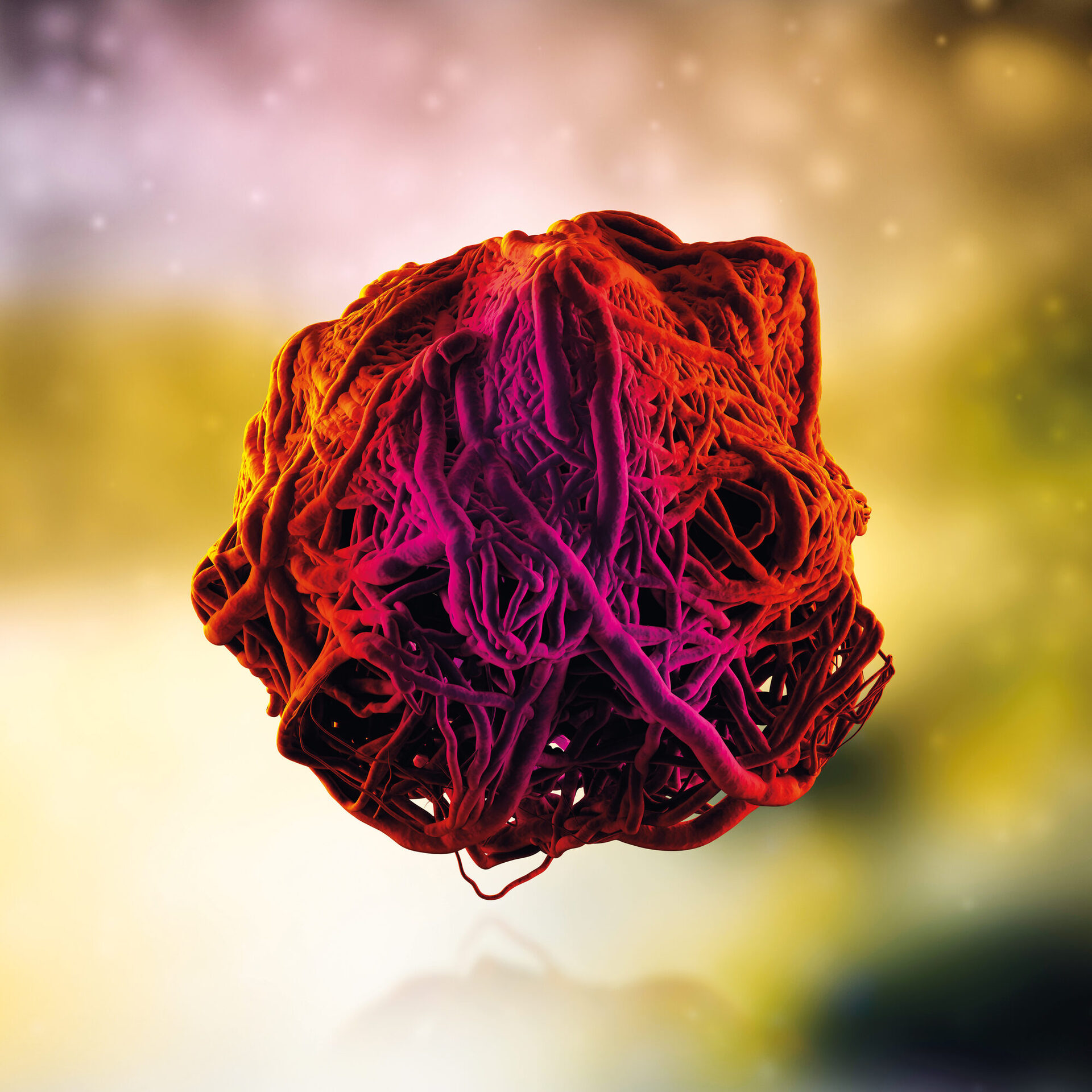
Hepatitis B is an inflammation of the liver caused by the HBV virus. It is mainly transmitted through blood and during sex.
The rubella virus is usually harmless. Infections during pregnancy are dangerous and can lead to malformations in the unborn child.
In severe cases, the measles virus inflames the brain and can lead to intellectual disability or mental retardation.
Polio viruses cause polio as the pathogens infect the muscle cells of the spinal cord. The disease mainly affects children.
Mumps is a contagious viral infection that leads to painful swelling, mainly of the salivary glands.
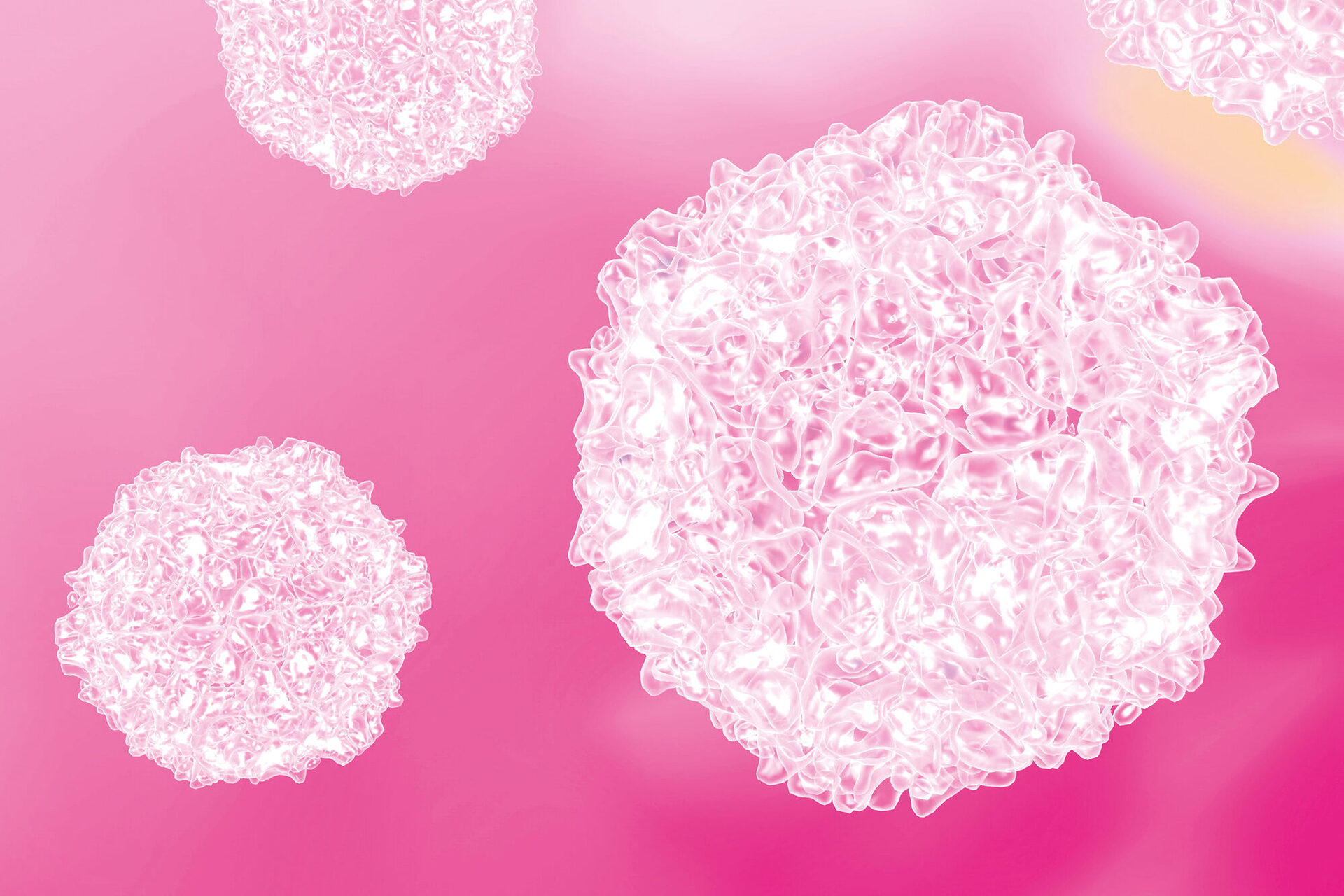
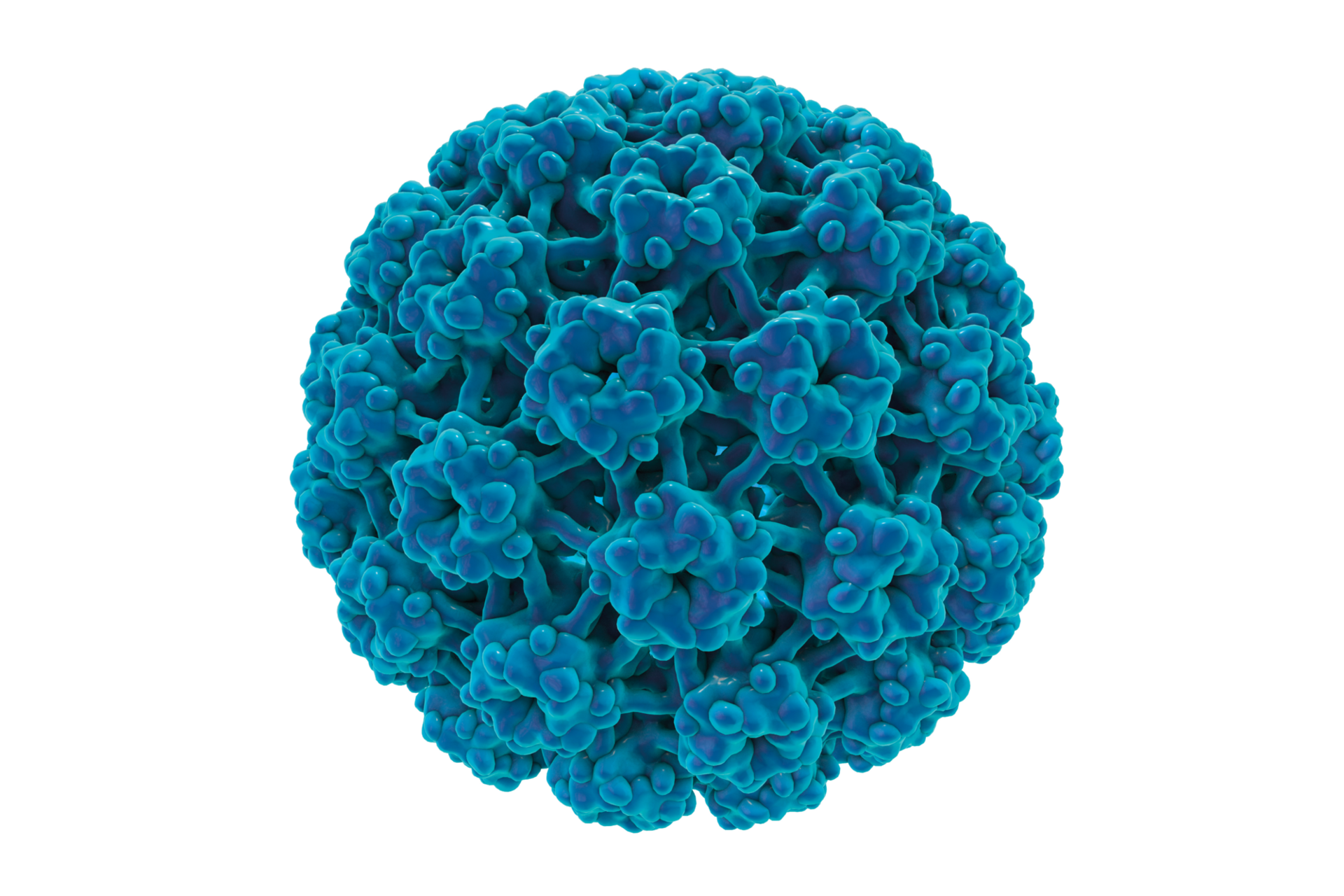
Human papillomaviruses, which are transmitted during sex, cause genital warts and increase the risk of certain cancers.
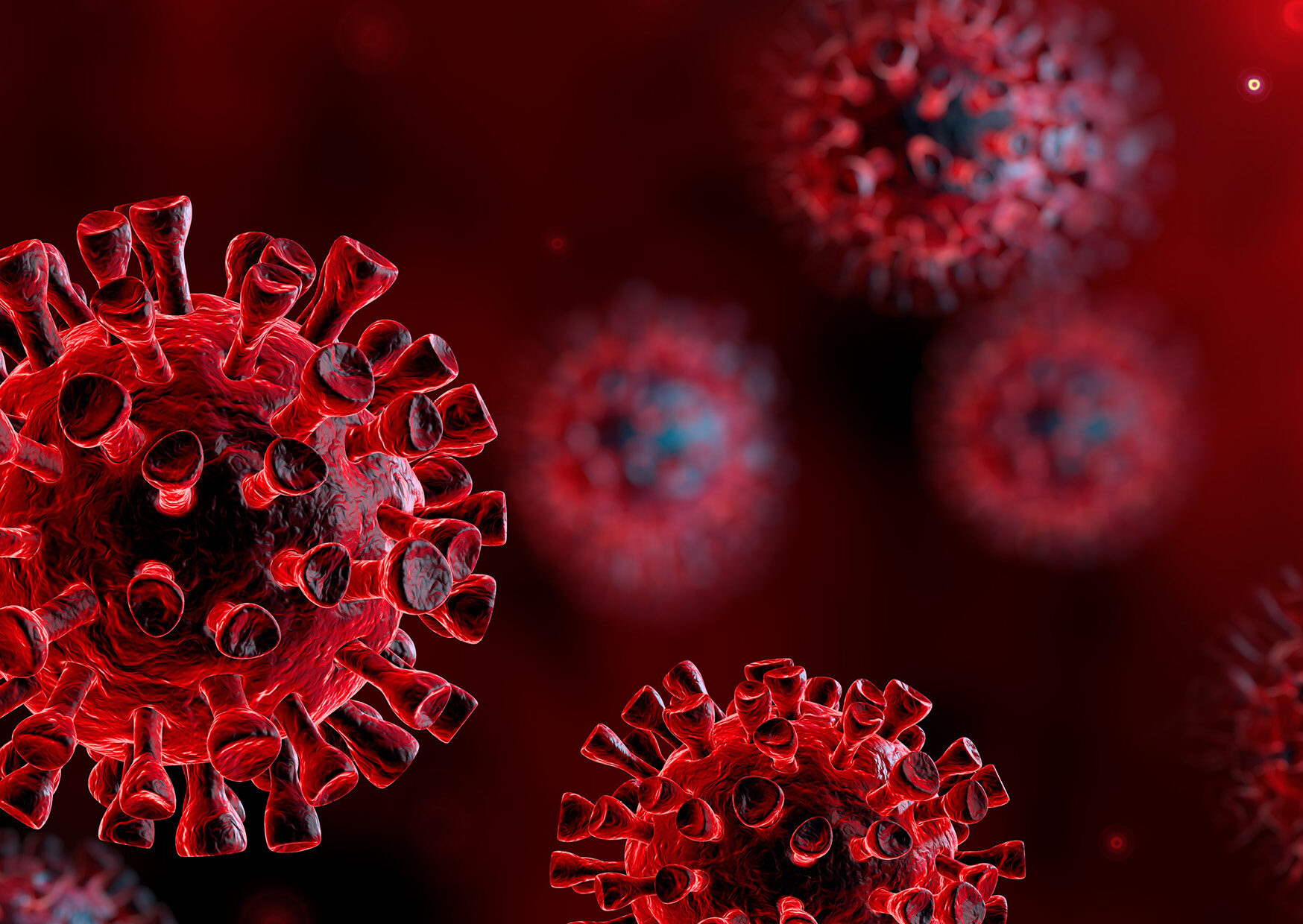
Infections with the SARS-CoV-2 coronavirus are characterized by mild to severe respiratory symptoms, among other things.
Pneumococci colonize the respiratory tract. These bacteria can also lead to life-threatening illnesses such as blood poisoning and meningitis.
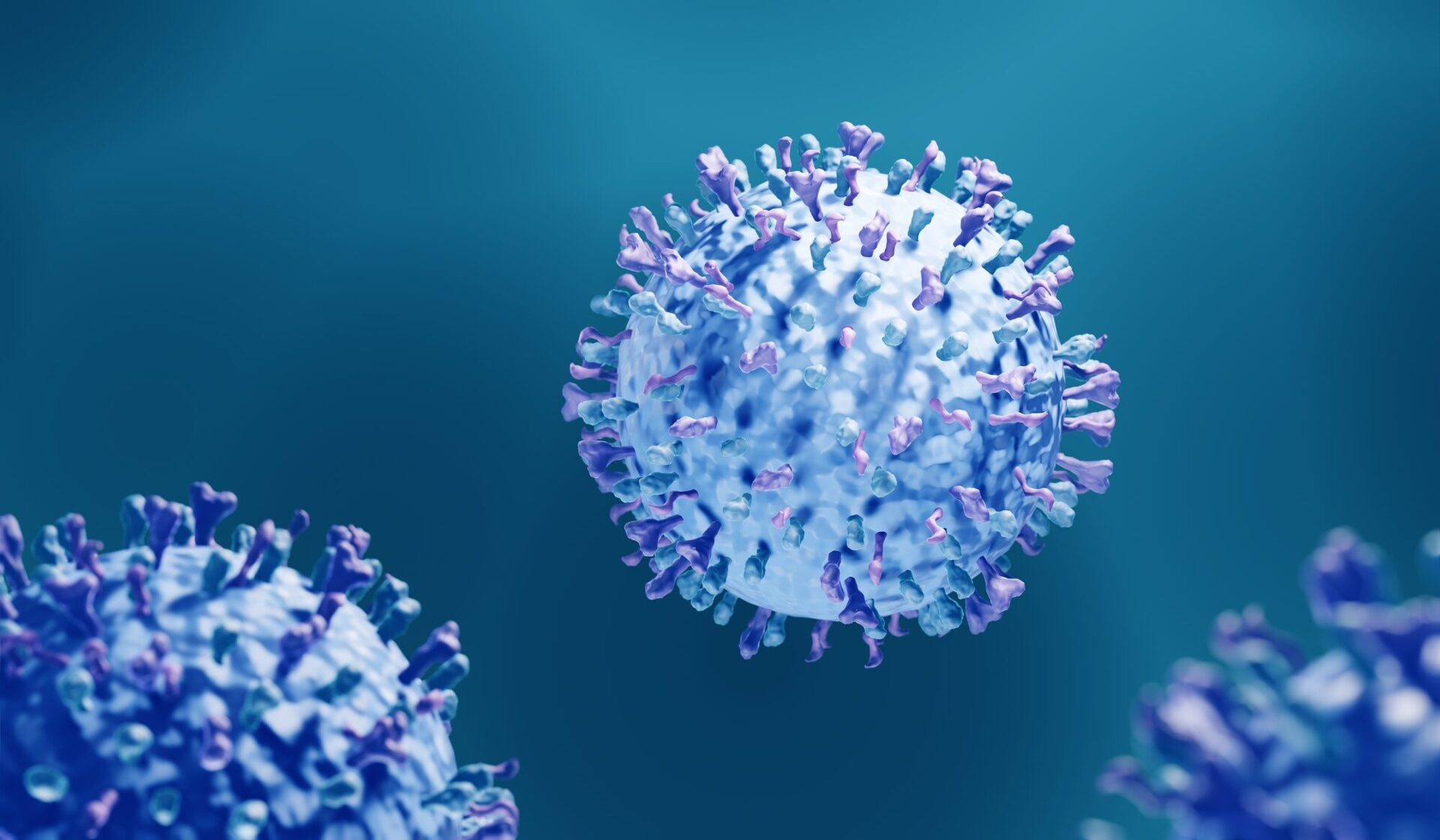
A respiratory tract infection with the RS virus can affect anyone. However, young children and older people with previous illnesses are at risk of severe cases.

Vaccines train the body to defend itself against potentially deadly viruses and bacteria. The STIKO recommends vaccinations for diseases with frequent and serious complications. The overview is intended to help you make informed decisions for your health.

Contact

You might also be interested in

Explanations and information

Picture credits

  • GettyImages/Martin Lang
  • State capital Stuttgart/Fotolia
  • State capital Stuttgart/Fotolia
  • State capital Stuttgart/Fotolia
  • State capital Stuttgart/Fotolia
  • State capital Stuttgart/Fotolia
  • State capital Stuttgart/Fotolia
  • State capital Stuttgart/Fotolia
  • State capital Stuttgart/Fotolia
  • State capital Stuttgart/Fotolia
  • State capital Stuttgart/Fotolia
  • City of Stuttgart/Getty Images
  • City of Stuttgart/Getty Images
  • City of Stuttgart/Getty Images
  • GettyImages/Prostock Studio.
  • Andrii Starunskyi/Getty Images
  • GettyImages/joecicak.