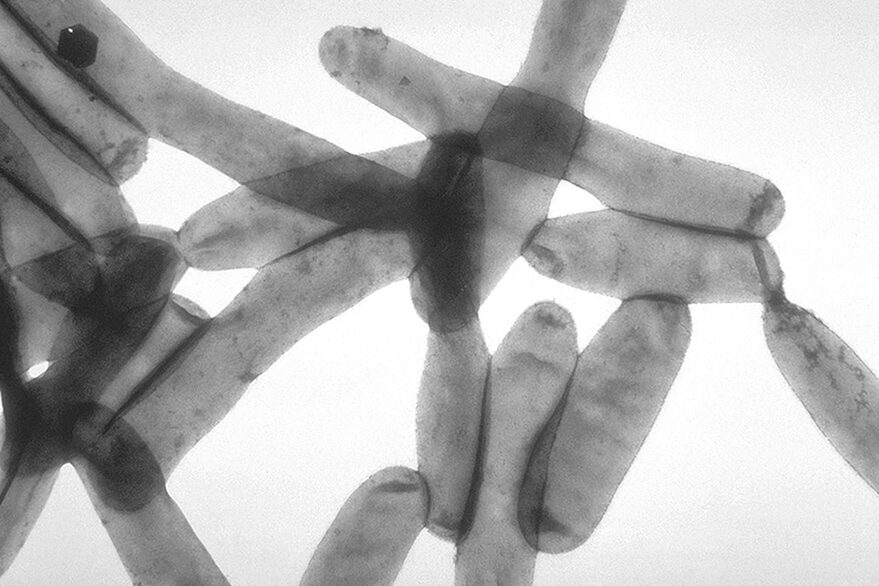
Legionella are a natural component of surface water and groundwater in small numbers. Under unfavorable conditions, legionella can multiply in drinking water installations. They are transmitted by atomized, nebulized water. The droplets containing the pathogen can spread in the air and be inhaled. Possible sources of infection include showers, whirlpools, humidifiers, faucets, and cooling towers. In addition, there are many other possible sources of infection.
Effects on health
As a rule, drinking the water is harmless. When drinking, infection with legionella is only possible if, for example, water accidentally enters the lungs via the trachea when swallowed.
If the pathogens reach the lungs in high concentrations, they can cause illness. The bacteria cause various clinical pictures, from flu-like symptoms to severe pneumonia. People with a weakened immune system due to illness or medication, as well as people with certain underlying diseases, are particularly affected. Smokers also fall ill more frequently.
Legionella is not transmitted from person to person.
How legionella multiply
Legionella multiply best at temperatures between 25 °C and 45 °C. Above 60 °C they are usually killed and below 20 °C they multiply only slowly.
Especially in artificial water systems such as water pipes in buildings, the pathogens find good growth conditions at corresponding temperatures. In deposits and coatings of the pipe system, the Legionella can multiply particularly well. Other unfavorable factors are, for example, existing dead pipes, non-use of tapping points or an installation that does not comply with the generally accepted rules of technology.
To prevent Legionella infestation, operators of large hot water systems must have their water tested regularly.
Obligatory examination of large hot water systems
Obligation to report and act in case of legionella infestation
In addition to compliance with technical requirements, it is important to keep the water moving. Consumers should use all taps regularly. Water should be withdrawn from the tap after 72 hours at the latest. This reduces the risk of legionella.
More information
- Drinking water - How to prevent legionella and germsPDF-File 210,70 kB
- Systemic testing of drinking water installations for legionella bacteriaPDF-File 325,57 kB
- Obligations to take action if the technical action value for legionella is exceededPDF-File 778,43 kB
- Notification form for operators if the technical action value for legionella is exceededPDF-File 790,42 kB
- Legal text drinking water ordinance (opens in a new tab)
- Drinking water (Drinking Water Ordinance) - Information on data protection according to DSGVO (Data Protection Regulation)PDF-File 149,96 kB
Drinking water team