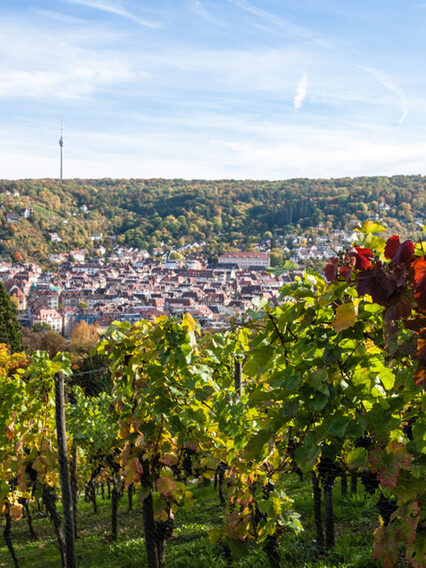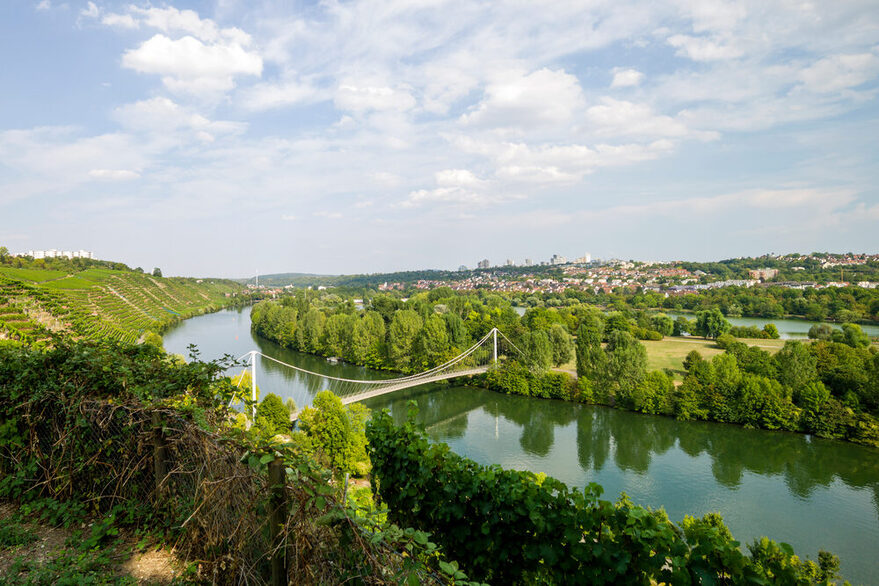
Many bodies of water in Stuttgart are like little oases. However, they not only offer something for the eye, but are also ecologically very valuable. The Neckar, Lake Max Eyth, the park lakes - all are part of the natural balance and contribute to biodiversity. And these are only the best-known bodies of water. In addition, a veinwork of large and small streams runs through Stuttgart.
The largest waters in Stuttgart
The Max Eyth Lake
The Neckar
The park lakes
Waters brochure
Care of streams, lakes and rivers
In the past, water bodies were sometimes heavily polluted by wastewater, technical development and other factors. Untreated wastewater was discharged into water bodies and some streams, such as the Nesenbach, were completely or partially blocked. Even in the seventies, the Neckar was considered "excessively polluted".
Today, the situation has improved considerably thanks to water protection measures. Among other things, these have led to lower wastewater pollution. Natural courses of water bodies have been restored, increasingly better working sewage treatment plants and numerous renaturation measures have already significantly improved the condition of water bodies in Stuttgart.
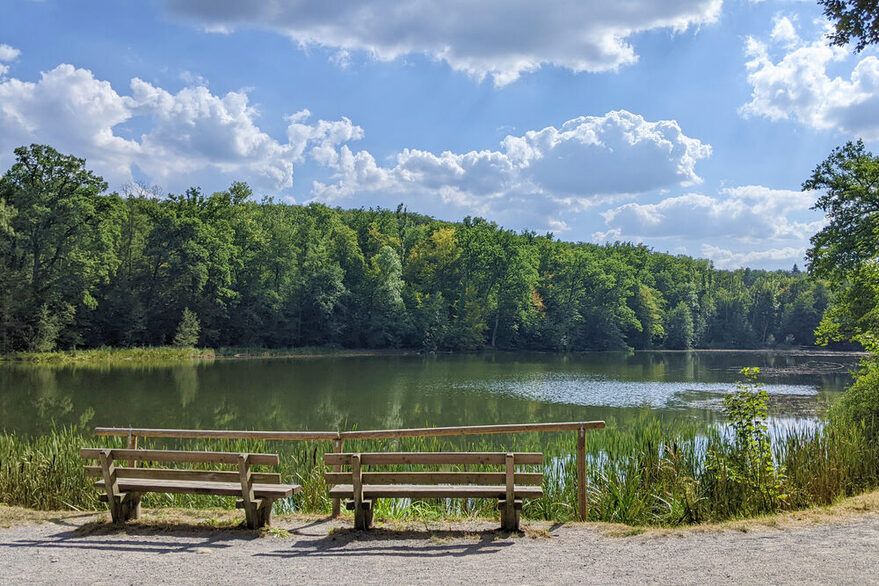
The protection and care of our streams, lakes and rivers is a statutory task. The aim is to preserve water bodies as habitats for plants and animals and as recreational areas for citizens. The successes show: Stuttgart is on the right track.
As the responsible body for the maintenance of water bodies of the second order, the Civil Engineering Office is responsible for the maintenance, development and control of around 70 watercourses and 16 lakes. In addition, it operates a total of 54 dams and flood retention basins in the city area to protect against flooding. The near-natural redesign of watercourses is also part of its remit. You can find out more about the wide range of tasks involved in maintaining water bodies and their history in the city's brochure on water bodies.
Flood protection
The more construction is carried out on rivers and streams, the greater the risk of damage to buildings, infrastructure and, in the worst case, people. There is also a risk of flooding in Stuttgart. The weather is also becoming increasingly unpredictable due to climate change, and flooding caused by heavy rainfall events cannot always be predicted.
The most important thing here is to take the right precautions, for example through technical measures such as dams, dykes or retention basins. This is why the city of Stuttgart has designated flood zones. Among other things, the construction or extension of buildings is prohibited in these areas. The data can be called up in the interactive data and map service of the Baden-Württemberg State Institute for the Environment (LUBW). (opens in a new tab)